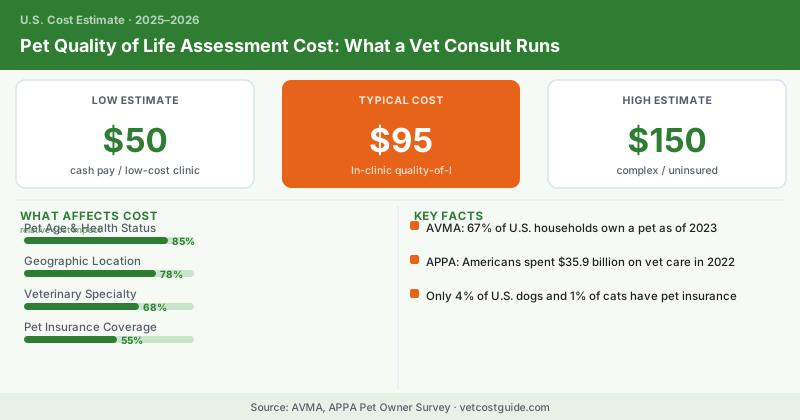
“How will I know when it’s time?” It’s the hardest question any pet owner asks, and you’re not alone in carrying it. A quality-of-life assessment exists to help you answer it with clarity instead of guilt. The consult itself is modest, usually $50 to $200, and what it gives you is something money rarely buys: a structured, compassionate framework for one of the most painful decisions you’ll ever make. Let’s walk through what it costs and what it offers.
What the Assessment Costs
This isn’t an expensive service, and that’s by design, it’s meant to be accessible when you need it most.
| Service | Low | Typical | High |
|---|---|---|---|
| In-clinic quality-of-life consult | $50 | $95 | $150 |
| In-home quality-of-life assessment | $100 | $175 | $300 |
| Telehealth/video consult | $40 | $75 | $120 |
| Pain/comfort recheck (follow-up) | $40 | $70 | $120 |
| Bundled hospice + QoL planning visit | $150 | $250 | $400 |
Many practices fold this into a regular sick visit or a hospice consult rather than charging separately. If you’re already working with a vet on a chronic illness, ask, the conversation may simply be part of your next appointment.
What an Assessment Actually Involves
A vet (or veterinary hospice provider) walks through your pet’s day with you, honestly. They use validated tools like the HHHHHMM scale, which scores Hurt, Hunger, Hydration, Hygiene, Happiness, Mobility, and “More good days than bad.” You score each area, and the totals give you a clear, less emotional read on where your pet truly is. It turns a swirl of worry into something you can actually look at.
- A quality-of-life consult typically costs $50–$200; in-home assessments run a bit more.
- Vets use validated scales (like HHHHHMM) to give you an objective, compassionate read.
- The assessment helps you decide on comfort care, hospice, or saying goodbye, without guesswork.
- Many vets include this in a regular sick visit or hospice consult rather than billing separately.
Why It’s Worth Having
Here’s the gift this gives you: peace with your decision. When you’ve tracked the good days and the bad ones against a real scale, you stop second-guessing. You’re no longer wondering “Am I giving up too soon?” or “Am I making her suffer?” The AVMA’s guidance on end-of-life care emphasizes objective comfort assessment precisely because it protects both the pet from suffering and the owner from later regret. The few dollars spent here often save weeks of agonizing.
How It Fits With Other End-of-Life Choices
A quality-of-life assessment is usually the starting point, not the end. Depending on what it shows, your path might lead to comfort-focused pet hospice and palliative care to give your pet more good time, or to compassionate pet end-of-life care when the kindest choice is letting go. The assessment helps you tell those two situations apart, which is exactly what makes it valuable. If the kindest path turns out to be saying goodbye, our dog euthanasia guide covers what to expect.
There’s no “right” score that forces a decision, and no vet will pressure you with one. The scale is a tool to inform your judgment, not replace it. You know your pet better than anyone. Use the assessment as a steadying hand, not a verdict, and lean on your vet to talk it through.
Making It Easier on Yourself
- Track ahead of time. Keep a simple “good day / bad day” log for a week before the consult. It makes the conversation far more useful.
- Bring someone. A second set of ears helps when emotions are high.
- Ask about in-home. If travel stresses your pet, an in-home assessment is gentler, and lets the vet see your pet where it’s comfortable.
- Don’t wait for a crisis. Having this talk early gives you options and removes the panic of a midnight emergency.
The Bottom Line
A quality-of-life assessment is a small cost for an enormous kind of help, the clarity to do right by a pet you love. If you’re facing this, please know the worry you feel is a sign of how much you care. Talk to your vet, ask about a quality-of-life consult, and let the framework carry some of the weight you’ve been carrying alone.
Frequently Asked Questions
A formal quality-of-life consult typically costs between $50 and $200, depending on your veterinarian and geographic location. This fee covers a structured consultation where your vet helps you evaluate your pet's current condition and discusses care options or end-of-life decisions.
Most pet insurance plans do not cover quality-of-life assessments or consultations focused on end-of-life planning, as they are considered preventive or counseling services rather than treatment for illness or injury. You should expect to pay the full $50–$200 out-of-pocket; however, some vets may waive or reduce the fee if you proceed with treatment or euthanasia services.
A quality-of-life assessment typically takes 20 to 45 minutes and can be scheduled as a standalone appointment or combined with a regular exam. Pet owners often schedule one when their senior pet shows signs of declining health, chronic pain, or loss of appetite—ideally before a crisis occurs so you have time to discuss all options thoughtfully.