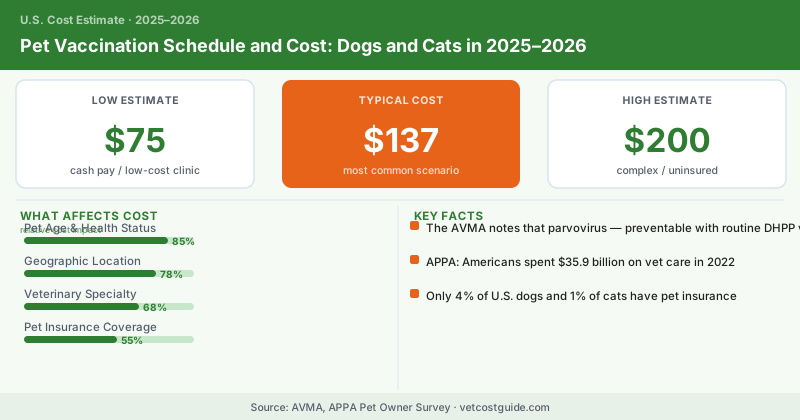
What does a root canal actually cost? Wrong article — but the question applies here too: what do pet vaccines actually cost, and which ones does your pet genuinely need? The answer involves core vaccines your pet can’t skip, non-core vaccines based on lifestyle risk, and a schedule that changes as your pet ages.
Here’s the full breakdown.
Dog Vaccination Schedule and Costs
Puppy Series (First Year)
Puppies are born with some maternal immunity but lose it over the first few months. The puppy vaccine series bridges that gap with a sequence of shots given 3–4 weeks apart starting around 6–8 weeks of age.
| Vaccine | When Given | Cost Per Dose | Core? |
|---|---|---|---|
| DHPP (Distemper/Parvovirus combo) | 6, 10, 14 weeks | $20–$40 | Yes |
| Bordetella (kennel cough) | 8–12 weeks | $15–$30 | Depends on lifestyle |
| Leptospirosis | 12, 16 weeks | $20–$35 | Depends on region |
| Rabies (legally required) | 12–16 weeks | $15–$30 | Yes |
| Canine Influenza (H3N2/H3N8) | 12, 16 weeks | $25–$45 | No (boarding/shows) |
| Lyme Disease | 12, 16 weeks | $25–$45 | No (tick-endemic areas) |
Total first-year puppy vaccine cost including 3 vet visits: $150–$450, depending on your region and which non-core vaccines your vet recommends.
Adult Dog Vaccine Schedule
After the puppy series, most vaccines move to booster schedules. The specific timing depends on the vaccine type:
| Vaccine | Booster Schedule | Annual Cost |
|---|---|---|
| DHPP | Every 3 years (after initial boosters) | $25–$50 (amortized) |
| Rabies | Every 1 or 3 years depending on vaccine used | $15–$30 annually |
| Bordetella | Every 6–12 months (if boarding/daycare) | $15–$30 |
| Leptospirosis | Annually | $25–$45 |
| Lyme Disease | Annually (if in tick-endemic area) | $25–$45 |
| Canine Influenza | Annually (if boarding/dog parks/shows) | $30–$55 |
A dog with typical lifestyle (boarding occasionally, parks, suburban tick exposure) spending on annual vaccines: approximately $80–$160/year plus the wellness exam fee.
Core vs. Non-Core Dog Vaccines
Core vaccines — recommended for every dog regardless of lifestyle:
- DHPP (Distemper, Hepatitis, Parvovirus, Parainfluenza combo)
- Rabies (legally required in all 50 states)
Non-core vaccines — recommended based on risk factors:
- Bordetella: recommended if your dog goes to boarding, doggy daycare, dog parks, training classes, or grooming
- Leptospirosis: recommended in areas with wildlife exposure, standing water, or humid climates
- Lyme disease: recommended in tick-endemic regions (Northeast, Midwest, Pacific Northwest)
- Canine influenza: recommended for dogs with frequent contact with other dogs
The American Animal Hospital Association (AAHA) published updated canine vaccine guidelines noting that core vaccines (except rabies) should be given no more frequently than every 3 years once adult boosters are current — not annually as was once standard practice. Vaccine titers (blood tests showing existing immunity) can sometimes substitute for boosters in certain situations. Ask your vet if your dog’s DHPP titer is sufficient before automatically reboosting.
Cat Vaccination Schedule and Costs
Kitten Series (First Year)
| Vaccine | When Given | Cost Per Dose | Core? |
|---|---|---|---|
| FVRCP (Distemper/Herpes/Calici combo) | 6–8, 10–12, 14–16 weeks | $20–$40 | Yes |
| Rabies | 12–16 weeks | $15–$30 | Yes (legally required most states) |
| FeLV (Feline Leukemia) | 8–12 and 12–16 weeks | $25–$45 | Recommended for outdoor cats |
Total kitten vaccine series: $150–$350 across 3 visits.
Adult Cat Vaccine Schedule
| Vaccine | Booster Schedule | Annual Cost |
|---|---|---|
| FVRCP | Every 3 years after adult booster | $20–$40 (amortized) |
| Rabies | Every 1 or 3 years | $15–$30 annually |
| FeLV | Annually for outdoor/at-risk cats | $25–$45 |
Most indoor adult cats with current vaccinations spend $50–$100/year in vaccine costs, plus the exam fee.
Where You’ll Pay More (and Less)
Regional price variation is significant. The same vaccine visit that costs $120 in rural Kansas might run $220 in Los Angeles or New York. Urban areas with higher overhead consistently charge more for identical services.
Where to pay less without sacrificing quality:
- Vaccination clinics at pet supply stores: $15–$35 per vaccine, no exam fee — good for healthy pets needing only vaccine updates
- Humane society clinics: Often 30–50% below private practice rates
- Banfield Wellness Plans: Vaccines included in monthly membership fee
Vaccine reactions are rare but do occur. The most common are mild lethargy and soreness at the injection site within 24 hours — normal and self-resolving. Allergic reactions (facial swelling, hives, vomiting, collapse) are uncommon but require immediate veterinary attention. Always stay near the clinic for 15–20 minutes after your pet’s vaccines, especially for initial doses.
The Cost of Skipping Vaccines
The AVMA notes that parvovirus — preventable with routine DHPP vaccination — has a treatment cost of $1,000–$3,500 and a mortality rate of 10–30% even with treatment. A full puppy vaccine series preventing parvovirus costs $75–$150 in vaccines alone.
Similarly, leptospirosis treatment in an infected dog runs $1,500–$4,000. The annual lepto vaccine is $25–$45. The financial math on prevention vs. treatment isn’t close.
FAQ
Can I give my dog vaccines myself to save money? Some core vaccines (DHPP, Bordetella) are available at farm supply stores and online for $5–$15 per dose. Administering your own vaccines is technically legal in most states for dogs and cats (not livestock vaccines, which have different regulations). However, self-administered vaccines aren’t accepted as proof of vaccination by most boarding facilities, groomers, or daycare providers. Rabies vaccinations must be administered by a licensed veterinarian in all 50 states.
What’s a vaccine titer test and when does it help? A titer test measures circulating antibodies to a specific disease, showing whether your pet has adequate immunity without requiring a booster shot. For DHPP, titers run $75–$200 and can sometimes support skipping a 3-year booster if immunity is confirmed. Some boarding facilities accept titer results; others require boosters regardless. Rabies titers are not accepted as a substitute for the legally mandated rabies vaccine.
Do indoor cats really need vaccines? Indoor cats still need rabies vaccination (legally required in most states and important if your cat ever bites someone). FVRCP is recommended because herpesvirus and calicivirus — covered in FVRCP — can be transmitted on your clothes and shoes from infected cats. True hermetically-isolated indoor cats might theoretically do without, but most vets recommend maintaining core vaccines throughout life.
Frequently Asked Questions
A full puppy vaccine series typically costs $75–$200 depending on your veterinarian and location, usually administered in 3–4 visits over the first 16 weeks of life. Each visit usually includes core vaccines (DHPP for dogs, FVRCP for cats) plus an exam fee of $50–$100, so budget accordingly for multiple appointments rather than a single cost.
Most pet insurance plans do not cover routine vaccinations, as they are considered preventive care rather than treatment for illness or injury. However, some wellness or routine care add-on riders (typically $10–$25/month) will reimburse 70–90% of vaccine costs, so check your specific policy before assuming vaccines are excluded.
Puppies and kittens should receive their first vaccine dose between 6–8 weeks of age, with booster shots every 3–4 weeks until 16 weeks old. After the initial series, annual boosters are recommended for most core vaccines, though some veterinarians now offer 3-year intervals for certain vaccines like rabies.