That snorting, snuffling, full-body wiggle of joy is the Pug in a nutshell — and most of those endearing sounds are actually a breathing problem you’ll eventually pay to fix. The Pug is brachycephalic, meaning the skull is so shortened that the airway, the eyes, and even the spine pay the price. A large UK study found Pugs were significantly more likely than other dogs to suffer breathing, eye, and skin disorders.
Adorable? Absolutely. Cheap? Not even close.
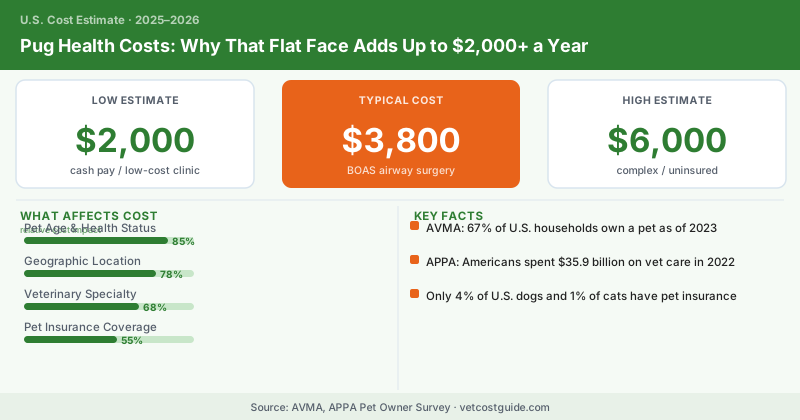
- Expect roughly $2,000+ a year once you factor in breed-specific care
- BOAS airway surgery runs $2,000–$6,000 and many Pugs need it
- The bulging eyes are prone to ulcers and even prolapse — true emergencies
- Pug Dog Encephalitis is a rare but devastating breed-specific disease
The Breathing Problem
A Pug’s pushed-in face means narrow nostrils, an overlong soft palate, and a cramped throat. The result is noisy breathing, exercise intolerance, and serious heat sensitivity. Many Pugs benefit from BOAS surgery to open the airway — it’s one of the most common procedures in the breed and a major expense.
Pugs overheat dangerously fast. They can’t pant efficiently to cool down, so a hot day, a warm car, or vigorous play can become a heatstroke emergency in minutes. Keep your Pug cool, and never leave one in a parked car — ever.
What You’ll Spend
| Condition | Low | High | Typical |
|---|---|---|---|
| BOAS airway surgery | $2000 | $6000 | $3800 |
| Corneal ulcer treatment | $300 | $2000 | $800 |
| Proptosis (eye prolapse) emergency | $1000 | $3500 | $2000 |
| Skin-fold/allergy care (yearly) | $300 | $1200 | $600 |
| Hemivertebrae/spinal workup | $800 | $2500 | $1500 |
| Routine annual care | $400 | $900 | $650 |
Those Big Beautiful Eyes
The Pug’s shallow eye sockets leave the eyes prominent and exposed. Corneal ulcers from minor scratches are common, and in a worst-case scenario the eye can actually pop out of the socket (proptosis) after trauma — a true emergency requiring immediate care. Keep your Pug away from rough play with bigger dogs and know the dog emergency vet cost range.
Skin, Spine, and a Rare Brain Disease
Those facial wrinkles need regular cleaning to prevent fold dermatitis — a daily habit, not an occasional chore. Pugs also carry hemivertebrae, malformed spinal bones tied to that corkscrew tail, which occasionally cause hind-end weakness or incoordination and may need imaging to evaluate. Most Pugs with hemivertebrae do fine; a minority develop progressive problems.
There’s also Pug Dog Encephalitis (PDE/NME), a rare but heartbreaking breed-specific inflammatory brain disease that’s usually fatal and tends to strike young adults. It’s uncommon, but it’s part of the Pug story, and there’s a genetic test that helps gauge risk.
Weight Makes Everything Worse
Pugs love food and hate exercise, a combination that leads straight to obesity. The Association for Pet Obesity Prevention has reported for years that well over half of U.S. dogs are overweight, and food-motivated flat-faced breeds sit near the top of that list. For a Pug, extra weight is genuinely dangerous: it worsens the breathing problem, strains the joints and spine, and raises anesthetic risk for any future surgery. Keeping your Pug lean is the single cheapest health intervention you have, and it costs you nothing but discipline at the food bowl.
The Basics Still Matter
Don’t let the dramatic stuff distract you from routine care. Keep vaccinations current, schedule annual teeth cleaning — small flat-faced dogs get crowded, problem teeth — and handle the neuter with a vet experienced in brachycephalic anesthesia.
Insurance Makes Sense Here
With airway surgery, eye emergencies, and skin care all in play, the expected lifetime cost is high. Enroll early, before anything becomes pre-existing. Compare plans using pet insurance cost per month and decide with is pet insurance worth it.
A Word on Lifespan and Senior Care
Pugs often live 12 to 15 years, and that longevity means a long stretch of senior care on the back end. Older Pugs commonly develop joint stiffness, dental disease, and the gradual onset of heart or eye issues, so the spending doesn’t stop after the puppy years — it shifts toward maintenance, medication, and more frequent rechecks. Budgeting across the whole lifespan, not just year one, is the realistic way to think about this breed.
Bottom Line
The Pug pays its rent in personality. Just don’t expect it to be a budget breed. Plan for airway and eye care, keep that dog cool and lean, schedule those senior checkups, and you’ll get years of comedy in return.
Frequently Asked Questions
BOAS (Brachycephalic Obstructive Airway Syndrome) surgery for Pugs typically ranges from $2,000 to $6,000, depending on your location and the veterinary surgeon's experience. The procedure may include widening the nostrils, shortening the soft palate, and removing excess tissue to improve breathing. Many owners find this is a necessary investment to prevent serious respiratory complications later in life.
Most pet insurance plans will cover BOAS surgery if it's classified as a medical condition rather than a pre-existing issue, though you typically pay 20-30% out-of-pocket after your deductible. However, many insurers exclude or limit coverage for breed-specific conditions like brachycephalic airway syndrome, so you should review your policy details carefully before enrollment. Pre-existing conditions diagnosed before your policy starts are never covered.
Vets typically recommend BOAS surgery between 6 months and 2 years of age, before severe breathing complications develop and while the Pug can safely undergo anesthesia. Recovery takes 10-14 days of restricted activity and pain management, with full healing occurring over 4-6 weeks as the surgical sites close and tissue remodels.