Most new puppy owners assume socialization is just “letting the dog meet other dogs.” Wrong, and that misunderstanding can cost you a fearful adult dog later. Real socialization is structured exposure to people, sounds, surfaces, and handling during a narrow window that closes around 14 to 16 weeks of age. The AVMA’s position statement on this is blunt: the benefits of early socialization outweigh the small disease risk, as long as the puppy has started its vaccine series. That window is short, so the spending question is really a timing question.
What You’ll Pay for a Puppy Class
Group puppy classes are the bread and butter here, and they’re affordable compared to almost everything else in dog ownership.
| Class Type | Low | Typical | High |
|---|---|---|---|
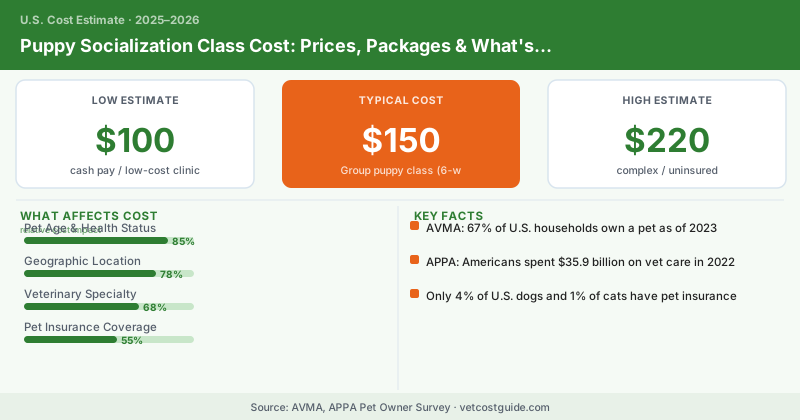
| Group puppy class (6-week course) | $100 | $150 | $220 |
| Single drop-in puppy social hour | $10 | $20 | $35 |
| Private puppy session (in-home) | $75 | $110 | $175 |
| Big-box store puppy class (6 weeks) | $110 | $140 | $170 |
| Puppy kindergarten + basic obedience combo | $150 | $220 | $320 |
The 6-week group course is the sweet spot for most families. You get a trainer-supervised environment, age-matched playmates, and a curriculum that introduces nail trims, vet-style handling, and novel objects. That’s hard to replicate on your own.
Why Spend Money When the Dog Park Is Free?
Fair question. Here’s the difference: a dog park is unsupervised chaos with adult dogs of unknown temperament and vaccine status. A puppy class is curated. Play is interrupted before it tips into fear, and shy puppies aren’t steamrolled by bullies. According to the APPA’s most recent national pet owners survey, training and classes are among the fastest-growing categories of pet spending, and early socialization is a big driver.
- A 6-week group puppy class runs $100–$220, the best value in early dog training.
- The socialization window closes around 14–16 weeks, so book early, not “someday.”
- Vaccinated puppies can safely attend supervised indoor classes per AVMA guidance.
- Skipping socialization often leads to costly behavior work later as an adult.
What Makes One Class Worth More Than Another
Not all classes are equal, and the price doesn’t always tell you which is better.
- Class size. Six to eight puppies with one trainer is ideal. Twelve-plus puppies means your dog gets less attention.
- Trainer method. Look for reward-based, force-free instruction. Avoid any program using leash corrections or “dominance” language on baby puppies.
- What’s included. Better programs cover husbandry handling, sound desensitization, and a take-home plan, not just supervised play.
The Cost of Skipping It
Here’s the math nobody puts on the flyer. A $150 puppy class is cheap insurance. Skip it, and the dog that grows up fearful of strangers, vet visits, or other dogs can end up needing reactive training or even a behaviorist. That’s a jump from a $150 group class to a dog reactive training program or a dog behaviorist consultation that costs several times more. Pay a little now or potentially a lot later.
Don’t wait for the full vaccine series to “be safe.” By 16 weeks the prime socialization window is mostly gone. The veterinary consensus is to start supervised classes after the first round of shots, around 8 to 9 weeks, in clean indoor settings, rather than miss the window entirely.
How to Get More for Your Money
- Bundle it. Many trainers discount a puppy class plus a follow-up basic obedience course; this also feeds naturally into broader dog training.
- Ask your vet first. Some clinics host low-cost or free puppy socials for their patients.
- Do homework between sessions. The class works only if you practice the handling and exposure at home, five minutes a day.
Is a Puppy Class Worth It?
For the money, it’s one of the highest-return purchases in a dog’s first year. When you weigh it against the annual cost of owning a dog, spending $150 once to build a confident, well-adjusted adult dog is a genuine bargain. Get your puppy in early, pick a force-free program, and treat the class as the foundation everything else is built on.
Frequently Asked Questions
Most puppy socialization classes cost between $100 and $200 for a complete 6-week course, though prices vary by location and instructor credentials. Some premium programs or private classes may run $250-$400 for the full session, while basic group classes in rural areas might cost $75-$125.
No, standard pet insurance policies do not cover puppy socialization classes because they are considered preventive training rather than medical treatment. You will pay the full out-of-pocket cost for these classes, though investing $100-$200 now can prevent behavioral issues that would cost thousands in future veterinary treatment or liability.
Puppies should start socialization classes between 6 and 12 weeks of age, with the critical window closing around 14 to 16 weeks. According to the AVMA, the benefits of early structured socialization outweigh disease risks if your puppy has received at least one set of vaccines, making this timing crucial for preventing fearfulness and behavioral problems in adult dogs.