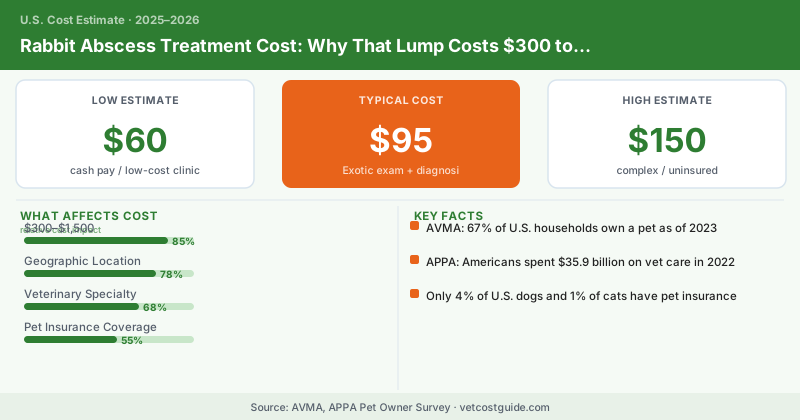
Most owners assume a rabbit abscess works like a dog’s: lance it, drain it, give antibiotics, done. Wrong. Rabbit pus is thick like toothpaste and won’t drain through a needle, which is exactly why a single firm lump can turn into a $300 to $1,500 surgical project.
That biology is the whole story here. Because the infection won’t flush out, the standard fix is to surgically cut the entire abscess capsule out, like removing a tumor. And rabbit abscesses love to hide at the tooth roots, where the jawbone gets involved and the price climbs.
What Drives the Cost
The location decides almost everything. A skin abscess on the leg is the cheap end. A facial or jaw abscess tied to dental disease is the expensive end, often needing dental X-rays, tooth extraction, and packing the bone with antibiotic beads.
| Item | Low | High | Typical |
|---|---|---|---|
| Exotic exam + diagnosis | $60 | $150 | $95 |
| Skull/dental X-rays | $150 | $450 | $280 |
| Abscess removal surgery | $300 | $1,000 | $550 |
| Anesthesia + monitoring | $120 | $350 | $200 |
| Antibiotics (2–6 weeks) | $40 | $200 | $110 |
| Recheck visits | $50 | $150 | $90 |
A straightforward skin abscess might total $300 to $600. A jaw abscess with extractions and weeks of follow-up commonly runs $900 to $1,500, and complex recurring cases can exceed that.
Why Rabbit-Savvy Vets Cost More
Not every clinic will touch a rabbit abscess, and the ones that will tend to charge accordingly. Exotic and avian medicine is a niche specialty. The APPA’s national pet-ownership surveys consistently show rabbits as one of the most popular small mammals in U.S. homes, yet qualified exotic vets remain comparatively rare, which keeps demand high and prices firm. You’re paying for scarce expertise as much as for the procedure.
- Rabbit abscess treatment usually costs $300–$1,500.
- Pus can’t be drained like a dog’s, so surgical removal is the standard fix.
- Jaw and facial abscesses tied to dental disease are the most expensive.
- Recurrence is common, so budget for possible repeat surgery.
The Recurrence Problem
Here’s the hard truth nobody likes hearing: rabbit abscesses come back. Even a textbook surgery can leave a few bacteria behind, and the lump returns weeks or months later. Some rabbits need two or three procedures over their lives. That’s why prevention and early action matter so much, the smaller the abscess when you catch it, the cheaper and more successful the fix.
Don’t try to pop or drain a rabbit lump at home. You’ll spread infection, cause pain, and often make the eventual surgery harder and pricier. Any new lump on a rabbit needs a vet exam, fast.
How to Manage the Expense
- Catch it early. A pea-sized abscess is a far cheaper surgery than a golf-ball one. Run your hands over your rabbit weekly.
- Treat dental disease before it abscesses. Since so many facial abscesses start at bad tooth roots, staying on top of rabbit dental care prevents the priciest version of this problem.
- Spread the cost. CareCredit for vet bills lets you finance surgery, and exotic pet insurance can reimburse much of it if you enrolled before the lump appeared.
For the bigger picture on routine bunny expenses, see our rabbit vet care cost breakdown, which puts these surgical bills in context against everyday care.
The Bottom Line
A rabbit abscess is rarely a quick, cheap fix. Expect $300 to $1,500, with jaw abscesses landing at the top. The infection’s stubborn nature means surgery is usually unavoidable and recurrence is a real risk. Catching lumps early and protecting your rabbit’s teeth are the two best ways to keep this from becoming a recurring drain on your wallet.
Frequently Asked Questions
Rabbit abscess surgery ranges from $300 to $1,500 depending on the abscess size, location, and your veterinarian's experience with exotic pets. The higher end of that range usually includes pre-surgical bloodwork, anesthesia, the surgical removal of the entire abscess capsule, and post-operative pain medication or antibiotics.
Most standard pet insurance plans exclude or heavily limit coverage for exotic pets like rabbits, though a few specialized exotic pet policies exist. You should expect to pay out-of-pocket for the full $300 to $1,500 cost unless you have a rare plan that specifically covers small mammals and does not classify abscesses as pre-existing conditions.
Rabbit pus is extremely thick and paste-like, similar to toothpaste, so it cannot be flushed out through a needle or simple drainage procedure like in dogs. Instead, veterinarians must surgically remove the entire abscess capsule under anesthesia, which is why a single lump becomes a major surgical procedure requiring 1 to 2 weeks of recovery and post-operative care.