Most rabbit owners discover dental disease the expensive way: their rabbit stops eating, the vet finds molar spurs the size of a fingernail, and a $400–$600 procedure that could have been preventable is now urgent. Rabbit teeth never stop growing — incisors, premolars, molars, all of them. When they grow wrong, eating becomes painful, then impossible. Here’s what dental care costs, why it’s different from cat and dog dentistry, and what you can do to reduce the frequency of expensive interventions.
- Incisor trim (awake): $25–$60 at a rabbit-savvy vet
- Incisor trim (sedation needed): $80–$200
- Molar spur filing / cheek tooth rasping (anesthesia required): $200–$500
- Tooth extraction (incisor or molar): $150–$500 per tooth
- Full dental under anesthesia with X-rays: $350–$800+
- Emergency dental (drooling, anorexia): add 50–75% for after-hours or specialty care
Why Rabbit Dentistry Costs More Than It Sounds
Rabbit teeth are what’s called “elodont” — they’re open-rooted and erupt continuously throughout the rabbit’s life. That’s different from cats and dogs, whose adult teeth are fixed once they come in. In rabbits, the incisors you can see, and the cheek teeth buried in the back of the mouth, all grow roughly 2–3mm per week. They’re supposed to wear against each other through constant hay chewing. When that doesn’t happen — due to genetics, diet, or malocclusion — they grow wrong.
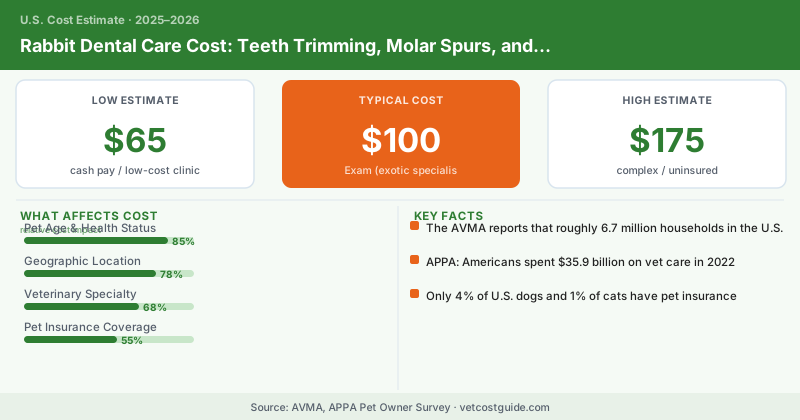
The other cost driver is that rabbits are exotic patients, not standard small animals. Not every general practice vet has rabbit dental equipment or experience. You’ll often need an exotic specialist, which means specialist pricing. The AVMA reports that roughly 6.7 million households in the U.S. keep rabbits — but rabbit-savvy exotic vets are far less common than cat and dog vets. That supply imbalance affects pricing.
Full Pricing Breakdown
| Procedure | Low | Average | High |
|---|---|---|---|
| Exam (exotic specialist) | $65 | $100 | $175 |
| Incisor trim — awake | $25 | $45 | $80 |
| Incisor trim — sedation required | $80 | $150 | $250 |
| Molar / cheek tooth filing (anesthesia) | $200 | $350 | $600 |
| Dental X-rays (skull/teeth) | $80 | $160 | $280 |
| Tooth extraction — incisor | $150 | $250 | $400 |
| Tooth extraction — molar | $200 | $400 | $600 |
| Full dental workup (exam + X-ray + filing) | $350 | $550 | $900 |
| Jaw abscess treatment (varies widely) | $500 | $1,200 | $3,000+ |
| Post-procedure pain meds + syringe feeding | $30 | $75 | $150 |
The Two Types of Rabbit Dental Problems
Incisor malocclusion is the one you can see. The front teeth curve or overgrow, stop meeting properly, and can curl around into the lip or palate. Mild cases are managed with periodic trimming ($25–$80). Severe or recurring malocclusion — particularly genetic forms common in lop breeds and dwarf breeds — often leads to the recommendation for incisor extraction. That sounds alarming, but rabbits do well without incisors; they adapt to using their lips and tongue to grasp food. One-time extraction ($300–$600 total for all four incisors) permanently solves the problem and often ends up cheaper than lifetime trims.
Cheek tooth disease (molar spurs and overgrowth) is the one you can’t see without equipment. The molars and premolars grow spurs that dig into the tongue or cheek, making chewing painful. Signs: weight loss, reduced appetite, drooling, dropping food, teeth grinding. By the time these are obvious, disease is usually advanced. Cheek tooth work always requires full anesthesia — you can’t rasp molars in an awake rabbit — and rabbit anesthesia requires specific monitoring protocols.
Rabbits are obligate nose breathers and don’t respond to anesthesia the way cats and dogs do. The risk isn’t high with experienced exotic vets, but it’s higher than for comparable feline procedures. That’s a legitimate reason to seek out veterinarians with documented rabbit experience rather than a general practice offering to “give it a try.”
Why Prevention Genuinely Changes Costs
This is one area of veterinary medicine where prevention has an outsized financial impact. Rabbits with unlimited grass hay (timothy, orchard grass) wear their teeth properly through constant chewing. Pellets and vegetables are supplemental — hay should be 80%+ of the diet. Rabbits fed primarily pellets are far more likely to develop molar spurs and need recurrent dental procedures.
The cost difference: a rabbit eating appropriate amounts of hay may need a dental exam once a year ($65–$100 as part of a wellness visit) and never need anything beyond that. A rabbit with a poor diet may need molar filings every 3–6 months at $300–$600 each. Over five years, that’s potentially a $6,000–$12,000 difference.
GI stasis — when a rabbit’s gut slows or stops — is often triggered by dental pain. The rabbit stops eating because it hurts, the gut slows, and you have two emergencies for the price of one. If your rabbit’s appetite has dropped and you’re wondering whether it’s “just being picky,” get a dental exam as soon as possible. The emergency GI stasis hospitalization that follows dental disease left untreated runs $400–$1,200. Early dental intervention costs a fraction of that.
How to Find a Rabbit-Competent Vet
The House Rabbit Society maintains a directory of rabbit-savvy veterinarians at rabbit.org. When calling a potential practice, ask:
- Do you have rabbit-specific dental equipment (dental picks, mouth gag, cheek dilators sized for rabbits)?
- How many rabbit dental procedures do you perform per month?
- Do you have a dedicated rabbit anesthesia protocol and monitoring equipment?
A vet who can’t answer these specifically — or who says rabbits are “basically like cats” — is probably not the right choice for dental work.
Exotic Pet Insurance for Rabbits
Several insurers offer exotic pet coverage that includes rabbits — Nationwide’s Avian & Exotic pet plan is the most commonly cited option. Coverage for dental disease can be included depending on plan terms and whether conditions are pre-existing. Monthly premiums run $20–$50 for rabbits. Given that a single molar procedure runs $300–$600 and chronic dental disease can mean 2–3 procedures per year, insurance math is favorable for rabbits with confirmed or suspected dental predisposition (lop breeds, dwarfs, and any rabbit over age 4 are higher-risk).
Frequently Asked Questions
How often do rabbits need dental exams? At minimum, once yearly as part of a routine wellness exam. Rabbits with a history of dental disease or predisposed breeds (lops, Netherland Dwarfs, Holland Lops) should be examined every 6 months.
Can I trim my rabbit’s front teeth at home? Veterinary guidance is uniformly against this. Home trimming with nail clippers or wire cutters (which some online sources recommend) frequently causes tooth fractures, nerve exposure, and serious injury. Dental trims require proper instruments and training.
Is anesthesia safe for rabbits? With a rabbit-experienced vet and proper monitoring protocols, anesthesia is reasonably safe. Mortality rates for elective rabbit dental procedures under experienced hands are low. Risk increases significantly with GI disease, severe dental disease, or vets without rabbit-specific anesthesia experience. Ask about your vet’s rabbit anesthesia protocol before agreeing to any sedated procedure.
Frequently Asked Questions
Basic teeth trimming under anesthesia typically costs $150–$300, while molar spur removal or more complex dental procedures range from $400–$800 or higher depending on severity and your vet's location. Emergency dental extractions for infected or fractured teeth can exceed $600–$800 when additional imaging or surgical time is needed.
Most standard pet insurance plans exclude or severely limit coverage for rabbit dental care, especially preventative procedures like routine trimming. You'll typically pay the full cost out-of-pocket, though some exotic pet insurance carriers offer limited dental coverage up to $200–$500 annually if you purchase a specific rider.
Rabbits with proper diet (unlimited timothy hay, not pellets) may need dental exams every 6–12 months, while those with a history of dental disease require exams every 3–6 months. Regular vet monitoring and a hay-focused diet can prevent many costly procedures, but rabbits with genetic malocclusion will need ongoing treatment throughout their lives.