GI stasis kills rabbits. That’s the blunt truth every rabbit owner needs to know from day one. A rabbit that stops eating, stops producing droppings, or sits hunched in the corner is in a medical emergency — their gut motility has slowed or stopped, and without treatment within hours, gas builds, the intestine can rupture, and the outcome becomes fatal. According to the House Rabbit Society, GI stasis is one of the leading causes of sudden death in domestic rabbits, and it’s often misread as “the rabbit is just being quiet.”
Here’s what treatment costs and what you’re paying for.
Cost by Treatment Intensity
| Treatment Level | Low | Typical | High |
|---|---|---|---|
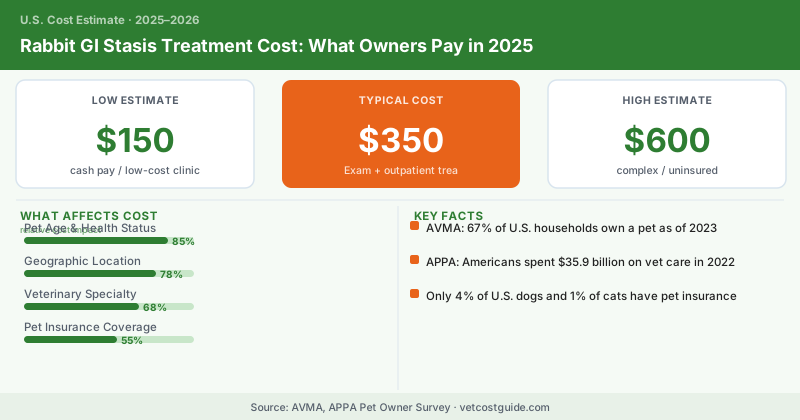
| Exam + outpatient treatment (mild case) | $150 | $350 | $600 |
| Hospitalization (24–48 hrs, fluids + syringe feeding) | $400 | $700 | $1,200 |
| Emergency/after-hours exam + treatment | $350 | $600 | $1,400 |
| Radiographs (to rule out obstruction) | $80 | $160 | $300 |
| Bloodwork (pre-treatment) | $80 | $180 | $320 |
| Pain medication (GI cramping) | $30 | $60 | $120 |
| Motility drugs (metaclopramide, cisapride) | $40 | $80 | $150 |
| Critical care syringe food (14-day supply) | $20 | $35 | $60 |
What Happens at the Vet
A rabbit brought in for GI stasis will typically get: a physical exam (gut sounds are assessed with a stethoscope), radiographs to distinguish stasis from a true blockage (treatment differs significantly), subcutaneous or IV fluids to rehydrate and stimulate gut movement, pain management (gas pain in rabbits is severe), gut motility drugs, and syringe feeding if the rabbit won’t eat.
Mild cases treated outpatient go home the same day with medications and a syringe-feeding schedule. Severe cases — where the rabbit is in pain, severely dehydrated, or hypothermic — need 24–48 hours of hospitalized care with IV fluids and monitoring.
Do NOT wait to see if a rabbit “improves on its own” with GI stasis. The 24-hour mark is critical. Rabbits with untreated stasis can decline rapidly within 12 hours, and a gut that has stopped moving for more than 24–36 hours is far harder and more expensive to treat than one caught early. Call an exotic vet the same day you notice symptoms.
True Blockage vs. Stasis: The Cost Difference
Stasis (slowed motility) and true GI obstruction look similar from the outside but require different treatment. An obstruction — from ingested hair, carpet fibers, or a piece of plastic — doesn’t respond to motility drugs and fluids. If radiographs show an obstruction, the rabbit may need surgery. GI surgery in rabbits is high-risk and costly: $1,500–$4,000, with complication rates higher than in dogs or cats. Most exotic surgeons require honest pre-surgical conversations about prognosis.
Stasis alone, caught within a few hours, is very treatable. That’s the argument for same-day vet visits.
Why Rabbit Vet Bills Are Higher Than People Expect
Rabbits are exotic animals. Standard small-animal vets often aren’t trained in rabbit medicine, and the ones who are typically run exotic-specialty practices with higher base rates. Exotic vet exams start at $75–$130 compared to $50–$80 at a general dog/cat clinic.
Also, rabbit physiology is unforgiving. They can’t vomit, they can’t go without food for more than a few hours, and their stress response under anesthesia is complicated. When a procedure is needed, exotic-trained anesthesia is required — and that expertise carries a price.
Most GI stasis is preventable. Unlimited timothy hay (80% of the diet, minimum) is the single biggest protective factor — the fiber keeps gut motility going. Fresh water, daily movement, and stress reduction complete the picture. During molting season, weekly brushing and GI supplements containing simethicone can help prevent hair blockages. Annual wellness exams ($100–$200 at an exotic vet) let you catch issues before they become crises.
Finding an Exotic Rabbit Vet
Before your rabbit gets sick, use the House Rabbit Society’s vet directory (rabbit.org) or the ARAV vet finder (arav.org) to locate a qualified exotic vet near you. Know their after-hours emergency protocol — many exotic practices refer to a general emergency clinic overnight, and that clinic may or may not have someone experienced with rabbits. Ask the question before 11 p.m. on a Sunday.
Budget $300–$500 for a GI stasis event and keep an emergency fund of at least $500 per rabbit. Pet insurance covering exotic animals (Nationwide is one of the few that does) can offset major costs — worth reviewing before your rabbit’s first birthday.
Frequently Asked Questions
Rabbit GI stasis treatment typically costs $300–$1,200 depending on severity, diagnostic imaging, and hospitalization length. Mild cases with oral medications and fluids may run $300–$500, while severe cases requiring overnight hospitalization, X-rays, and injectable medications can reach $800–$1,200 or more.
Most standard pet insurance plans exclude or severely limit coverage for exotic pets like rabbits, though some specialized exotic pet policies may cover 50–80% of GI stasis treatment after deductibles. Out-of-pocket costs for uninsured rabbit owners typically range from the full $300–$1,200 bill, making emergency funds or payment plans essential for rabbit owners.
A rabbit with suspected GI stasis must receive emergency vet care within 2–4 hours; delays beyond this window significantly increase the risk of intestinal rupture and death. Treatment involves aggressive fluid therapy, pain management, and medications to restore gut motility, with many cases requiring same-day hospitalization and monitoring.