In 1990, a Ragdoll cost a fraction of what it does now, and HCM screening barely existed. Today the breed is one of the most popular in America — regularly topping the Cat Fanciers’ Association registration list — and we know exactly which inherited diseases to test for. That knowledge is the difference between a $9,000 lifetime and a $15,000 one.
Ragdolls are big, docile, and famous for going limp when you pick them up. They’re the definition of a lap cat. But behind that mellow temperament sits a heart condition that’s been studied specifically in this breed.
The heart problem you can test for
Hypertrophic cardiomyopathy is the headline risk. Researchers identified a Ragdoll-specific MYBPC3 mutation, and it’s been documented in a notable share of the population over the years. The mutation is DNA-testable, which means a responsible breeder can screen it out — and you can verify it before buying.
| Condition | Low | High | Typical |
|---|---|---|---|
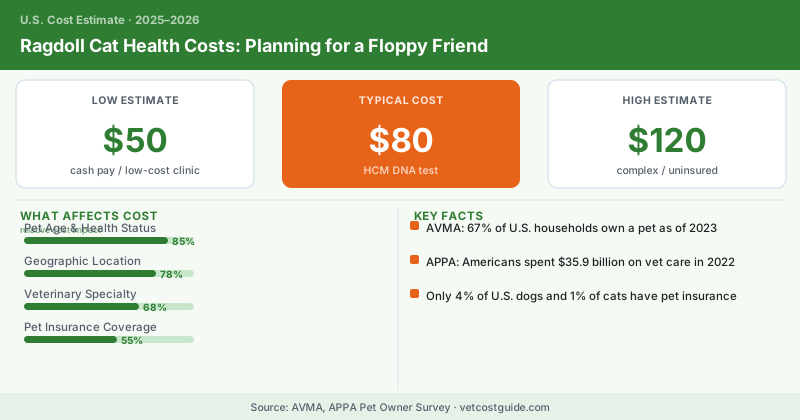
| HCM DNA test | $50 | $120 | $80 |
| HCM cardiac echo screening | $400 | $900 | $600 |
| HCM lifetime treatment | $1500 | $6000 | $3500 |
| Bladder stones/FLUTD workup | $600 | $2500 | $1300 |
| Bladder stone surgery | $1200 | $3000 | $2000 |
| Dental & routine care (lifetime) | $4000 | $7500 | $5500 |
A confirmed HCM diagnosis means a long road of recheck echocardiograms, daily heart medication, and the constant risk of a clot. It’s the same chronic-management pattern you’ll see across serious feline diseases — manageable, but expensive year after year.
Bladders and bulk
Ragdolls are large cats — males can hit 20 pounds — and they’re prone to urinary issues, including bladder stones and feline lower urinary tract disease (FLUTD). A blocked male cat is a true emergency; surgery and hospitalization can run into the thousands fast.
Their size also means they need careful weight management. An overweight Ragdoll piles strain on the heart and joints, multiplying every other risk.
- Lifetime vet care for a Ragdoll commonly runs $9,000–$15,000.
- HCM is the top concern — and it’s DNA-testable, so demand parent results.
- Watch for urinary blockages, especially in males; a block is an emergency.
- Insure as a kitten, before a heart murmur or stone shows up on record.
Where your dollars do the most good
Before buying: only consider breeders who DNA-test for HCM and show clean results for both parents. The test costs them under $100 and slashes your odds of the most expensive outcome.
After buying: insurance, early. A Ragdoll with HCM can generate years of claims. Compare current pet insurance cost per month and understand pet insurance how it works before a vet ever notes a murmur.
A male Ragdoll straining in the litter box and producing nothing is a medical emergency — a urinary blockage can be fatal within a day or two. Get to a vet immediately. Waiting overnight can turn a $1,500 problem into a $5,000 one.
The annual rhythm
Kittenhood means cat vaccination cost and a cat spay cost or neuter procedure. Adulthood means yearly exams, dental cleanings, and weight checks. The senior years bring heart monitoring and the usual age-related screening.
How the lifetime spend is shaped
Ragdoll costs are bimodal. The HCM risk can show up in the prime years, while urinary issues and weight-driven problems tend to build slowly across middle age. The single biggest swing factor is whether you got a kitten from an HCM-screened line — a clean genetic background can cut your lifetime heart-related spend dramatically, while an untested cat that develops early HCM can blow past the high end of every estimate here.
Diet is the other lever you control. Ragdolls love food and tend toward laziness, so portion control matters more than for an active breed. An overweight Ragdoll is more prone to urinary blockage, diabetes, and joint strain — three of the priciest things that can go wrong. A kitchen scale and measured meals are, no exaggeration, one of the cheapest health investments you’ll ever make.
Stack it against the broader annual cost of owning a cat and Ragdolls land on the pricier side — partly the dental and urinary care, partly the sheer amount of food a 15-pound cat eats. Plan for it, screen for HCM, and your floppy friend will spend more time on your lap than in the clinic.
Frequently Asked Questions
HCM (hypertrophic cardiomyopathy) screening typically costs $300–$500 per cat and usually includes an echocardiogram performed by a veterinary cardiologist. Most breeders recommend screening before purchase, and some responsible breeders include it in their pre-sale health certifications.
Most pet insurance plans exclude pre-existing conditions and congenital/inherited disorders like HCM, meaning you'll pay out-of-pocket for diagnosis and treatment. However, some policies cover emergency treatment related to HCM complications (like heart failure) if the condition wasn't diagnosed before enrollment, with typical out-of-pocket costs of $2,000–$5,000 for acute care.
Kittens should be screened between 6–12 months of age, with follow-up screening recommended every 1–2 years throughout their life since HCM can develop later. A single baseline screening costs $300–$500, but lifetime monitoring adds $600–$1,000 to total vet expenses over the cat's 12–17 year lifespan.