Do reptiles even need a vet? It’s a question new owners ask constantly, and the honest answer is: yes, more than most people expect, and often for reasons that have nothing to do with germs.
Most reptile health problems trace back to husbandry — the temperature, humidity, and UVB lighting setup in the enclosure — rather than infectious disease. A bearded dragon with metabolic bone disease from inadequate UVB exposure, or a ball python with a respiratory infection from incorrect humidity, are both husbandry-driven conditions that a good reptile vet catches by asking detailed questions about your setup, not just examining the animal.
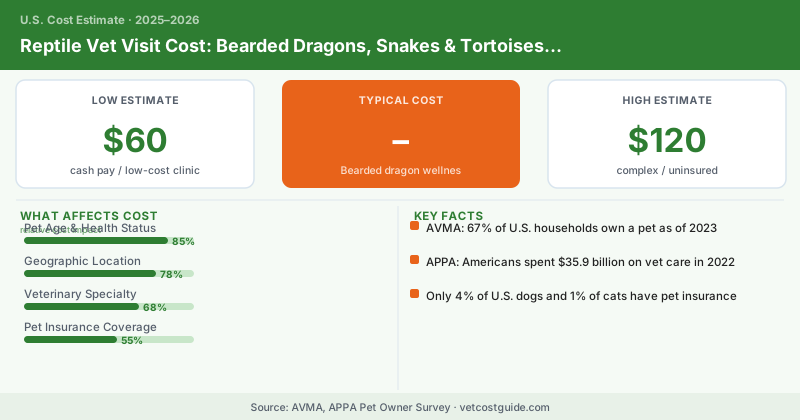
- Bearded dragon wellness exam: $60–$120
- Ball python/snake wellness exam: $65–$130
- Tortoise wellness exam: $70–$150
- Fecal parasite screening (all species): $35–$75
- Metabolic bone disease treatment: $150–$500
- Respiratory infection treatment: $100–$350
Full Cost Breakdown
| Species/Service | Low End | High End | Notes |
|---|---|---|---|
| Bearded dragon wellness exam | $60 | $120 | Includes husbandry review |
| Ball python/snake wellness exam | $65 | $130 | Includes body condition scoring |
| Tortoise wellness exam | $70 | $150 | Longer-lived, often more involved history |
| Fecal parasite screening | $35 | $75 | Recommended annually for all reptiles |
| Bloodwork/diagnostics | $80 | $200 | For suspected illness |
| Metabolic bone disease treatment | $150 | $500 | UVB/calcium related, common in bearded dragons |
| Respiratory infection treatment | $100 | $350 | Often humidity/temperature related |
| Impaction surgery (bearded dragons) | $800 | $2,000 | Substrate ingestion, common emergency |
Why Husbandry Review Is Part of Every Visit
A genuinely reptile-experienced vet will ask about your basking spot temperature, ambient enclosure temperature, humidity percentage, UVB bulb type and age (UVB output degrades over months even if the bulb still lights up), substrate type, and diet — before even touching your reptile. This isn’t padding the visit; it’s often the actual diagnosis. Metabolic bone disease, one of the most common serious conditions in captive reptiles, stems directly from inadequate calcium metabolism due to insufficient UVB exposure, and fixing the husbandry is as important as any medication prescribed.
This is a meaningful difference from dog and cat visits, where husbandry rarely factors into diagnosis the same way.
Common Conditions and Their Costs
Metabolic bone disease (MBD) develops from chronic calcium/UVB deficiency and shows up as soft or deformed bones, especially in the jaw and limbs. Treatment ($150-$500) includes calcium supplementation, correcting the UVB setup, and sometimes pain management — caught early, it’s very manageable; caught late, permanent bone deformity can result.
Respiratory infections, common in snakes and some lizards kept at incorrect humidity or temperature, present as wheezing, open-mouth breathing, or nasal discharge. Treatment ($100-$350) involves antibiotics and, critically, fixing the environmental conditions that caused it — medication alone without an enclosure fix often leads to recurrence.
Impaction, especially in bearded dragons that ingest loose substrate like sand, is a genuine surgical emergency. Treatment ranges from manual/laxative management ($100-$300) to surgical removal ($800-$2,000) if the blockage doesn’t resolve on its own.
- Lethargy, refusal to bask, or hiding constantly can indicate illness reptiles instinctively try to mask
- Any change in stool (absence for over a week, unusual color or consistency) warrants a call to your vet
- Labored or open-mouth breathing is never normal and needs same-week attention
- Soft or bent bones, especially in the jaw, are a sign of metabolic bone disease requiring prompt treatment
Finding a Reptile-Experienced Vet
Not every “exotic vet” has deep reptile experience — some focus primarily on birds or small mammals. The Association of Reptilian and Amphibian Veterinarians maintains resources to help locate genuinely reptile-experienced practitioners. When calling to book, ask specifically about experience with your species — a vet comfortable with bearded dragons isn’t automatically comfortable with tortoises or large constrictor snakes, since husbandry needs and common health issues differ significantly across reptile groups.
Building a Reptile Care Budget
Because so many reptile health issues are husbandry-driven and preventable, the best investment isn’t more frequent vet visits — it’s getting your enclosure setup right from day one and having it reviewed at an annual wellness visit ($60-$150 depending on species). Budget an additional $150-$400 as a cushion for an unexpected issue, and prioritize correct UVB bulbs (replaced per manufacturer guidelines, typically every 6-12 months) and accurate thermometers/hygrometers as ongoing costs that prevent much larger vet bills down the line.
Frequently Asked Questions
Yes — reptile-experienced veterinarians recommend annual wellness exams even for reptiles that appear healthy, since reptiles instinctively mask illness as a survival mechanism and problems are often far along by the time obvious symptoms appear. A wellness visit typically includes a physical exam, fecal parasite screening, and a review of husbandry (temperature, humidity, UVB) that often catches problems before they become medical emergencies.
The most common reptile health issues stem from husbandry problems rather than infectious disease — inadequate UVB lighting causing metabolic bone disease, incorrect temperature gradients affecting digestion, and improper humidity contributing to shedding problems and respiratory infections. This is why a good reptile vet spends significant time reviewing your enclosure setup, not just examining the animal directly.