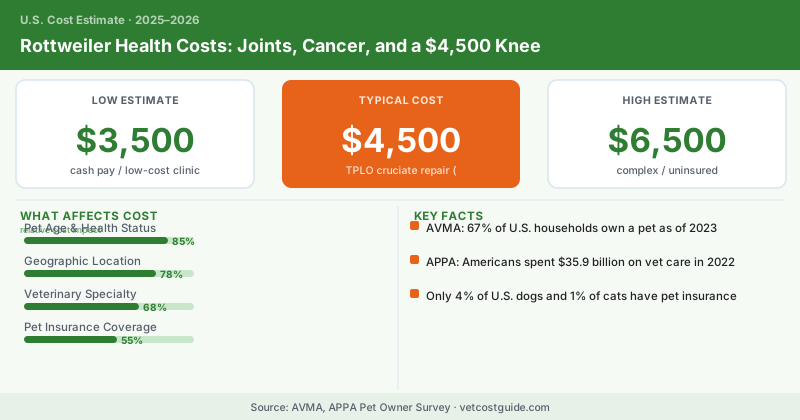
A Rottweiler’s body is a powerhouse, and powerhouses put serious load on their joints. This breed tears cruciate ligaments at notably high rates, and the OFA’s screening data has long flagged elevated hip and elbow dysplasia in Rotties. Add a real predisposition to bone cancer, and you’ve got a breed whose biggest costs cluster around the skeleton.
Know the risks, plan for the knees, and you’re most of the way there.
- Cruciate ligament tears are common — TPLO surgery runs $3,500–$6,500
- Hip and elbow dysplasia add orthopedic expense
- Osteosarcoma (bone cancer) is a serious breed risk
- Heart disease (subaortic stenosis) and bloat are also concerns
The Knees Come First
The cranial cruciate ligament — the canine equivalent of the ACL — fails in Rottweilers more than in most breeds, partly because of their build and athleticism. The gold-standard repair is the TPLO, a surgery that changes the knee’s mechanics so the torn ligament isn’t needed. It’s not cheap, and here’s the kicker: dogs that tear one side frequently tear the other within a year or two. Read the full picture in dog TPLO surgery cost.
Hip and elbow dysplasia ride alongside, and the hip dysplasia surgery options range from a femoral head ostectomy to a full replacement.
The Cost Breakdown
| Condition | Low | High | Typical |
|---|---|---|---|
| TPLO cruciate repair (per knee) | $3500 | $6500 | $4500 |
| Hip dysplasia surgery (per hip) | $1700 | $6000 | $4000 |
| Osteosarcoma treatment (amputation + chemo) | $5000 | $12000 | $7500 |
| Subaortic stenosis cardiac workup | $600 | $2500 | $1200 |
| Bloat/GDV emergency surgery | $1500 | $7500 | $4000 |
| Routine annual care | $400 | $1000 | $650 |
The Cancer Risk
Osteosarcoma — aggressive bone cancer — shows up in large and giant breeds, and Rottweilers are among the most affected. It often presents as a persistent limp or a painful swelling on a leg. Treatment usually means amputation plus chemotherapy, which is both major surgery and ongoing care. Our dog cancer treatment cost guide covers the protocols and pricing.
A limp in an adult Rottweiler that doesn’t resolve in a few days deserves an X-ray, not a wait-and-see. Bone cancer is far more treatable when caught early, and you don’t want to mistake it for a simple sprain.
Heart and Stomach
Rottweilers carry an above-average risk of subaortic stenosis, a congenital narrowing below the aortic valve that strains the heart and, in severe cases, can cause sudden death in young dogs. A puppy heart murmur in this breed deserves a cardiology workup rather than a wait-and-see. And as a large, deep-chested dog, the Rottie is also a bloat candidate — know the signs (swollen belly, unproductive retching, restlessness) and the nearest emergency hospital before you ever need it.
Joints, Weight, and Other Concerns
Rottweilers are also prone to hypothyroidism, which is cheap to manage but drives weight gain and lethargy if missed, and the breed sees its share of eye conditions like entropion and cataracts. The through-line for almost all of it is weight. A lean Rottweiler puts far less strain on already-vulnerable hips and knees, ages more comfortably, and faces lower anesthetic risk for any surgery down the road. Keeping this powerful dog at a healthy body condition is one of the most effective and free things you can do for its lifetime cost.
There’s a temperament-driven cost too: Rottweilers are strong, protective dogs, and unmanaged behavior can lead to injuries — to the dog or others. Early training and socialization aren’t strictly medical, but they prevent the kind of incidents that end up at the ER.
Routine Care for a Big Dog
Large-breed basics cost more: anesthesia, medications, and even the neuter or spay scale with body weight. Keep vaccinations current, manage weight aggressively to protect those joints, and get senior bloodwork as the dog ages.
Should You Insure?
With likely cruciate surgery, possible hip surgery, and a real cancer risk, the expected lifetime cost is high enough that insurance often pencils out. Enroll early and run your own numbers in is pet insurance worth it.
Planning Across a Rottweiler’s Life
Rottweilers tend to live around 8 to 10 years, on the shorter side for a large breed, and the heaviest medical events — cruciate surgery, possible cancer, cardiac care — can land at any point rather than only in old age. That unpredictability is exactly why a financial plan beats hoping for the best. Whether you choose insurance enrolled early or a dedicated savings account you fund every month, the goal is the same: when your Rottie blows a knee or develops a worrisome limp, you’re deciding based on the dog’s best interest, not on what’s left in your bank account that week.
Bottom Line
Rottweilers are confident, devoted, and physically demanding to maintain. Protect the joints, take limps seriously, watch for bloat, and fund the big-ticket surgeries that this breed makes likely. Do that, and you’ve handled the Rottie’s main challenges head-on.
Frequently Asked Questions
TPLO (tibial plateau leveling osteotomy) surgery typically costs $3,500 to $6,500 per knee, depending on your veterinarian's location and experience level. If your Rottweiler tears both cruciate ligaments—common in this breed—you're looking at $7,000 to $13,000 for bilateral surgery.
Most pet insurance plans cover cruciate ligament injuries and TPLO surgery if the injury occurs after your policy's start date, typically reimbursing 70–90% of costs after your deductible. However, many insurers exclude or charge higher premiums for Rottweilers due to breed-specific joint disease risk, so review your policy's breed exclusions and limits carefully.
Recovery from TPLO surgery takes 12–16 weeks, with strict rest and controlled activity for the first 6–8 weeks to allow bone healing. Most dogs show significant improvement within 8–12 weeks, but full return to running and jumping typically isn't recommended until 4–6 months post-surgery.