What does it actually cost to keep tabs on an aging dog’s insides? A senior bloodwork panel runs $100 to $300, usually once or twice a year once your dog crosses into its golden years. That sounds like a lot for “just bloodwork,” but here’s the thing: dogs hide illness brilliantly, and a panel catches kidney, liver, and thyroid trouble months or years before you’d ever see a symptom. By then, treatment is cheaper and the outcome is better. Let’s break down what you’re paying for.
What’s in a Senior Panel and What It Costs
Senior bloodwork is a bundle, not a single test. Here’s the typical breakdown.
| Test | Low | Typical | High |
|---|---|---|---|
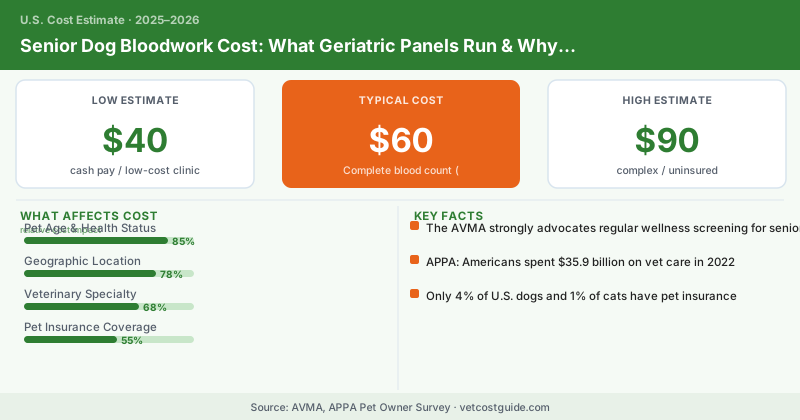
| Complete blood count (CBC) | $40 | $60 | $90 |
| Chemistry panel (organ function) | $70 | $110 | $180 |
| Thyroid (T4) screen | $30 | $50 | $80 |
| Urinalysis | $25 | $45 | $70 |
| Full senior wellness panel (bundled) | $100 | $200 | $300 |
| Add-on: blood pressure check | $25 | $45 | $75 |
Bundled “senior screens” are usually cheaper than ordering each test separately, so always ask whether the clinic has a package. For the broader procedure pricing on diagnostics, see dog blood work cost elsewhere on the site, but senior panels are more comprehensive than a routine pre-anesthetic draw.
When “Senior” Starts and How Often to Test
Most vets consider dogs senior around age seven, earlier for giant breeds, later for tiny ones. The general recommendation is annual bloodwork at that point, moving to every six months once the dog is geriatric or managing a chronic condition. Twice-yearly sounds like a lot, but a dog ages roughly the equivalent of several human years per calendar year, so a six-month check is more like a yearly physical for us.
- A bundled senior bloodwork panel typically costs $100–$300, cheaper than ordering tests à la carte.
- Most dogs are “senior” around age 7 and benefit from yearly (then twice-yearly) panels.
- Bloodwork catches kidney, liver, and thyroid disease before symptoms appear, when treatment is cheaper.
- A baseline panel while your dog is healthy makes future results far more meaningful.
Why It’s Worth Paying For
Here’s the payoff. Catch early kidney disease and you can manage it with diet and fluids for years; miss it until the dog is sick and you’re looking at emergency hospitalization. Catch hypothyroidism and it’s an inexpensive daily pill; miss it and the dog suffers needlessly. The AVMA strongly advocates regular wellness screening for senior pets precisely because early detection saves both money and quality of life. A $200 panel that catches a problem early routinely saves thousands in emergency care down the line.
The Value of a Baseline
One underrated tip: get a panel while your dog is still healthy. A single result tells the vet whether a number is “high”; a baseline tells them whether it’s high for your dog. Subtle changes over time are often the first clue to disease, and you can only see a trend if you’ve got a starting point. Think of the first senior panel as buying a reference point you’ll use for years.
Don’t skip the senior panel just because your dog “seems fine.” Seeming fine is exactly the problem. Dogs are descended from animals that hid weakness to survive, so by the time you notice symptoms, a disease is often advanced. The whole point of screening is to act before the dog looks sick.
Keeping the Cost Manageable
- Bundle it with the annual exam. You’re already at the clinic; the average vet visit plus a senior panel is more efficient than two trips.
- Ask about wellness plans. Many clinics fold senior bloodwork into a monthly wellness membership.
- Consider pet insurance early. Wellness add-ons can cover routine screening; weigh it against pet insurance cost per month.
- Watch for senior care months. Some practices discount geriatric screening seasonally.
The Bottom Line
Senior bloodwork is one of the best-value purchases for an aging dog, a few hundred dollars a year that can add quality years and head off massive emergency bills. It’s a natural companion to the broader senior dog vet costs you’ll plan for, and a small line in the annual cost of owning a dog. Talk to your vet about a baseline this year if you haven’t already.
Frequently Asked Questions
A senior dog bloodwork panel typically costs $100 to $300 per panel, depending on your veterinarian and location. Most vets recommend running these panels once or twice yearly for dogs in their golden years to catch early signs of kidney, liver, and thyroid disease.
Most pet insurance plans cover bloodwork as part of diagnostic testing, but typically only after you pay your deductible (usually $250–$500) and meet your annual out-of-pocket limit. Wellness plans that include preventive care bloodwork are less common and may require a separate add-on rider costing $15–$50 per month.
Veterinarians recommend bloodwork once or twice yearly for dogs aged 7 and older, or more frequently if your dog has existing health conditions. A single panel takes about 10–15 minutes for blood collection, with results typically available within 24–48 hours.