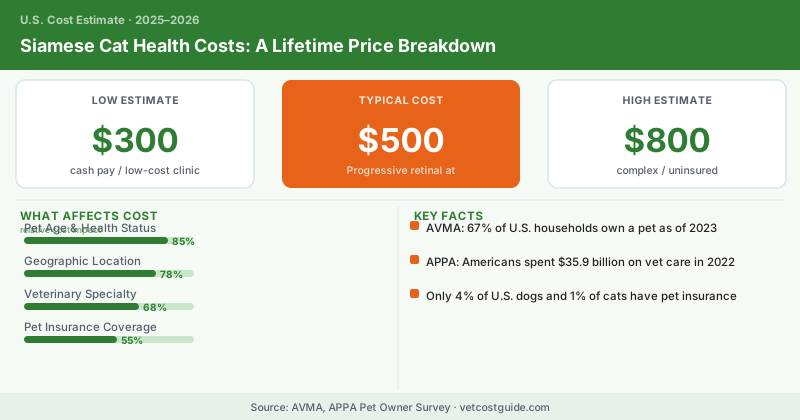
What does it actually cost to keep a Siamese healthy for 15-plus years? More than you’d guess for such a sleek, athletic-looking cat. Siamese are one of the oldest recognized breeds, and their long pedigree comes with a long list of inherited conditions — some manageable, a couple expensive.
These cats bond hard, talk constantly, and tend to live longer than the average cat, often well into their late teens. That longevity is a blessing and a budgeting challenge: more years means more chances for chronic disease to show up. It also means you can’t think of vet costs as a one-time or short-term expense — you’re committing to a relationship that may outlast a car, a job, or a lease.
The conditions you’re paying for
Siamese carry elevated risk for a handful of specific problems. Amyloidosis can damage the liver. Progressive retinal atrophy and other eye issues are common — early Siamese were famous for crossed eyes, and vision problems persist in the line. They also see more asthma, certain cancers, and dental disease than mixed-breed cats.
| Condition | Low | High | Typical |
|---|---|---|---|
| Progressive retinal atrophy workup | $300 | $800 | $500 |
| Feline asthma diagnosis & lifetime care | $800 | $3000 | $1500 |
| Amyloidosis/liver management | $1500 | $5000 | $2800 |
| Dental disease treatment | $400 | $1200 | $700 |
| Cancer treatment (lymphoma etc.) | $3000 | $10000 | $5500 |
| Routine annual care (lifetime) | $3000 | $6500 | $4500 |
Siamese also show higher rates of certain endocrine issues as they age. If your cat develops a thyroid problem, the management path mirrors our cat hyperthyroidism treatment cost guide — medication, periodic bloodwork, and sometimes radioactive iodine therapy.
Breathing and aging
Feline asthma hits Siamese disproportionately. You’ll recognize it as wheezing or a hunched, coughing posture that looks like a hairball that never comes up. It’s managed, not cured — inhalers, steroids, and avoiding triggers. Lifetime costs add up but rarely break the bank in any single year.
The longevity factor matters most. Because Siamese routinely reach 16 to 20 years, age-related diseases — kidney decline, dental loss, cancer — become near-certain eventually. That’s simply more years of vet bills than a cat who lives to 12.
- Expect $7,000–$13,000 in lifetime vet care, stretched across an unusually long life.
- Eye disease, asthma, and amyloidosis are the breed-specific watch items.
- Their long lifespan means more total bills, especially in the senior years.
- Insure young; long-lived breeds get the most value from coverage over time.
Making the numbers work
A long-lived breed is the ideal candidate for insurance. The more years you’re covered, the more likely you’ll hit a claim that more than pays for the premiums. Run the math with our is pet insurance worth it breakdown before deciding.
Start coverage as a kitten. Lock in a policy before any chronic condition surfaces, and you’ll have it through the expensive senior chapter when it counts.
Don’t dismiss a Siamese’s cough as “just hairballs.” Feline asthma is common in the breed and gets worse untreated. A timely workup during a routine average vet visit cost appointment prevents an emergency room crisis later.
Year-by-year planning
Kitten year: spaying or neutering (cat spay cost), cat vaccination cost, and microchipping. Adult years: annual exams plus dental care. Senior years (12+): twice-yearly bloodwork to catch kidney, thyroid, and liver issues early, when they’re cheapest to treat.
The temperament tax nobody mentions
Siamese are smart, demanding, and stress-prone — and stress isn’t free. A bored or anxious Siamese is more likely to overgroom (leading to skin treatment), develop stress-linked cystitis, or refuse food when their routine changes. Enrichment, a stable environment, and sometimes a second cat for company aren’t just nice-to-haves; they’re a way to head off vet visits. Owners who treat a Siamese like a low-maintenance cat tend to pay for it in behavioral and stress-related conditions.
There’s also the buy-in to consider. Because Siamese can carry several testable conditions, paying for a kitten from a screened, reputable breeder costs more upfront but saves on the back end. A bargain Siamese from an unscreened line is far more likely to hand you the amyloidosis or eye-disease bills early.
Folded into the bigger picture of annual cost of owning a cat, a Siamese costs about average per year — but multiply by 18 years instead of 12, and the lifetime total climbs. Plan for the long haul and your talkative companion won’t surprise you.
Frequently Asked Questions
Diagnostic testing including echocardiograms and X-rays typically runs $800–$1,500, while ongoing medication management costs $30–$100 monthly depending on the drug regimen. If surgery is needed, costs can reach $3,000–$5,000, making heart disease one of the more expensive inherited conditions in the breed.
Most pet insurance policies exclude pre-existing conditions and breed-specific genetic disorders unless coverage began before symptoms appeared. You can expect to pay 10–30% out-of-pocket for inherited conditions even with insurance, with annual premiums for Siamese cats ranging from $300–$600 to account for higher risk.
Kittens should receive genetic screening around 8–12 weeks old, with annual wellness exams and cardiac ultrasounds recommended starting at age 3–5 to catch early signs of hereditary heart or kidney disease. Early detection through regular screening can prevent emergency costs and extend quality of life by years.