Good news for once: the Siberian Husky is one of the comparatively healthy purebred dogs. Bred as a hardy working sled dog, the breed escaped a lot of the extreme conformation problems that plague flat-faced and giant breeds. That doesn’t make a Husky free to maintain — eye disease is a real breed risk, and these dogs are escape artists who land in the ER for accidents more than their share. But on the genetic-disease front, you’ve drawn a better hand than most.
- Huskies are relatively healthy compared with many popular breeds
- Eye conditions (cataracts, PRA, corneal dystrophy) are the standout genetic risk
- Hip dysplasia occurs but at lower rates than in many large breeds
- The biggest real-world cost is often accidents from their love of escaping
The Eyes Are the Genetic Weak Spot
If there’s a signature health issue in the breed, it’s the eyes. Huskies are predisposed to juvenile cataracts, progressive retinal atrophy (PRA), and corneal dystrophy. Some of these progress to blindness, though many dogs adapt remarkably well. Reputable breeders screen breeding stock through eye-certification programs, which is why buying from a health-tested line matters so much for this breed.
Annual eye exams catch problems early, and cataract surgery — if you elect it — is a specialist procedure with a meaningful price tag.
What You Might Spend
| Condition | Low | High | Typical |
|---|---|---|---|
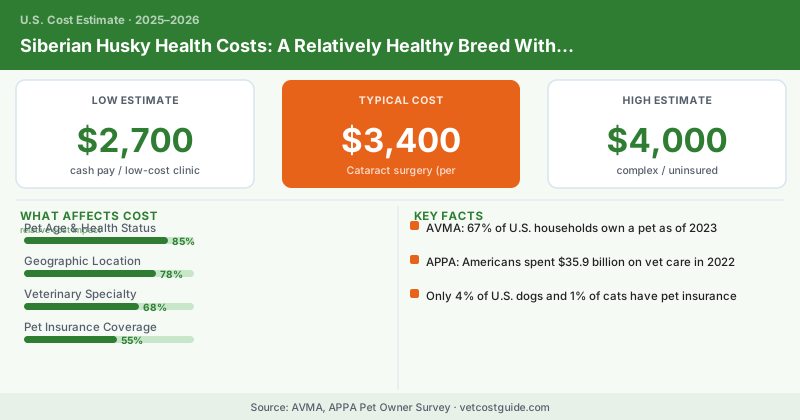
| Cataract surgery (per eye) | $2700 | $4000 | $3400 |
| PRA/corneal eye workup + monitoring | $300 | $1500 | $700 |
| Hip dysplasia surgery (per hip) | $1700 | $6000 | $4000 |
| Accident/trauma ER visit | $500 | $5000 | $1800 |
| Skin/zinc-responsive dermatosis care | $200 | $1000 | $450 |
| Routine annual care | $400 | $900 | $650 |
The Escape-Artist Tax
Here’s the cost nobody warns you about: Huskies are notorious for bolting, digging under fences, and jumping enclosures. A loose Husky is at risk of being hit by a car, getting into fights, or eating something it shouldn’t. In practice, accident-related emergency visits are one of the most common reasons Huskies show up at my hospital.
A secure, tall fence with dig-proofing is genuinely a health investment for this breed. The few hundred dollars you spend containing a Husky can save you a four-figure trauma bill. Know your dog emergency vet cost range, but better to never need it.
Joints and Skin
Hip dysplasia exists in the breed but at lower rates than in German Shepherds or Rottweilers — the OFA data is comparatively favorable. Should it occur, the hip dysplasia surgery options are the same. Huskies can also develop zinc-responsive dermatosis, a skin condition tied to their unusual zinc metabolism, which shows up as crusting around the face and is managed with supplementation and diet rather than expensive procedures.
The Hidden Cost: Diet and Activity
Here’s a cost line that doesn’t show up on a vet invoice but absolutely affects your wallet and your dog’s health. Huskies are high-energy working dogs bred to run for miles. Under-exercised, they become destructive, anxious, and prone to the kind of trouble that ends in an ER visit. Daily, serious exercise isn’t optional — it’s preventive medicine. Owners who skip it often pay later in property damage, behavior consults, and accident bills.
The flip side is good news: Huskies are typically efficient eaters with a moderate appetite, and obesity is less of a default problem than in food-driven breeds like Labs or Pugs. A fit, well-exercised Husky tends to stay sound and healthy well into its teens.
Thyroid and Autoimmune Issues
The breed carries some risk of hypothyroidism and a handful of autoimmune skin conditions. Hypothyroidism is inexpensive to manage once diagnosed — a daily pill and routine bloodwork — but it’s worth testing for if your Husky gains weight, slows down, or develops coat changes.
Routine Care Is Straightforward
Because the breed is relatively sound, much of your spending will be ordinary preventive care. Keep vaccinations current, budget for teeth cleaning, and handle the neuter or spay on schedule. A standard annual vet visit covers most of it.
Insurance or Savings?
Given the generally good health profile, many Husky owners do fine with a savings buffer rather than insurance — the main wild card is accidents, which an accident-only plan can cover affordably. Weigh your options in is pet insurance worth it.
Bottom Line
The Siberian Husky is a relatively economical purebred — buy from eye-tested lines, build a Fort-Knox fence, schedule annual eye checks, and you’ve addressed the breed’s two biggest cost drivers. The rest is the ordinary, manageable expense of a healthy, high-energy dog.
Frequently Asked Questions
Hip dysplasia treatment ranges from $1,500–$6,000 for conservative management with medications and physical therapy, or $4,000–$9,000+ for surgical intervention like FHO (femoral head ostectomy) or THR (total hip replacement). Diagnostic imaging (X-rays and orthopedic exams) typically adds $300–$800 before treatment begins.
Most pet insurance plans cover hereditary eye diseases like progressive retinal atrophy (PRA) and cataracts if the condition develops after your policy starts, with typical out-of-pocket costs of 10–20% after your deductible ($250–$500). However, many insurers exclude pre-existing conditions or charge higher premiums for breeds with known genetic risks, so review policy details before enrollment.
Screening typically occurs between 2–7 years old through OFA (Orthopedic Foundation for Animals) or PennHIP evaluations, which cost $300–$500 per exam including veterinary assessment and X-rays. Early detection at 12–18 months is recommended for breeding decisions, while symptomatic dogs may need imaging at any age if they show limping or mobility issues.