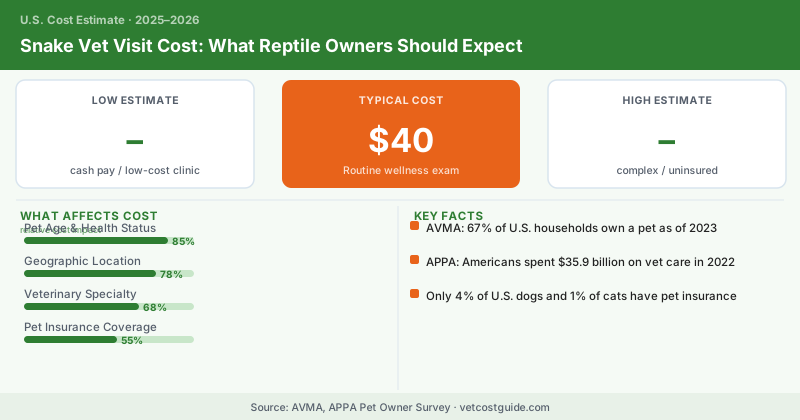
Snakes don’t need vet care — that’s the myth. In reality, pet snakes need veterinary attention just like any other pet, and skipping it because “reptiles are low maintenance” is exactly how minor issues become expensive emergencies. Routine snake vet visits run $40–$120, with common problems like respiratory infections or parasites pushing costs to $100–$400+.
The American Veterinary Medical Association recognizes exotic and reptile medicine as a distinct specialty precisely because reptile physiology, from their unique respiratory systems to their reliance on external heat for digestion, differs enormously from more familiar pets. A vet without reptile-specific training may miss issues that a general practice checkup would catch in a dog or cat.
Typical costs by scenario
| Service | Typical Cost | Notes |
|---|---|---|
| Routine wellness exam | $40–$80 | Annual, exotic-experienced vet recommended |
| Fecal parasite check | $25–$60 | Recommended for new snakes and annually |
| Respiratory infection treatment | $100–$400 | Urgent — don't delay |
| Mite infestation treatment | $50–$150 | Also requires enclosure treatment |
| Retained shed removal | $40–$100 | Common minor procedure |
Why husbandry problems drive most vet visits
The majority of health issues in pet snakes trace back to enclosure conditions rather than random illness. Incorrect temperature gradients or humidity levels are the leading cause of respiratory infections, since a snake’s immune function and digestion depend heavily on being kept within its species-specific thermal range. Inadequate humidity also causes incomplete shedding, leading to retained shed around the eyes and tail tip that a vet may need to remove.
This means many “vet visit” costs are really preventable with correct setup from the start — a quality thermostat, appropriate humidity control, and species-specific research before bringing a snake home often costs less than a single treatment for a husbandry-related illness.
- Routine snake exams cost $40–$120; respiratory infections and parasites are the most common costly issues.
- Most health problems trace back to incorrect enclosure temperature or humidity, not random illness.
- Snakes mask illness extremely well — annual wellness exams catch problems before they’re advanced.
- Fecal parasite checks are recommended for all newly acquired snakes, even those that appear healthy.
Why reptiles hide illness so effectively
In the wild, any visible sign of weakness makes an animal a target for predators, so snakes have evolved to mask illness until it’s genuinely severe. That evolutionary trait doesn’t disappear in captivity — a snake showing obvious symptoms of illness is often much sicker than it appears on the surface. This is the core argument for annual wellness exams even when your snake seems perfectly fine: subtle changes a vet can detect (slight weight loss, minor respiratory sounds, abnormal stool) often precede visible symptoms by weeks.
- Open-mouth breathing or wheezing. This is a classic sign of respiratory infection and should prompt an urgent vet visit, not a wait-and-see approach.
- Skipping the fecal check on a new snake. Parasites are common in wild-caught or recently imported reptiles and can be present without obvious symptoms — a fecal test at acquisition catches this early and cheaply.
- Assuming reduced appetite is normal. While snakes do go through natural fasting periods (especially before shedding or during breeding season), a prolonged refusal to eat combined with weight loss warrants veterinary evaluation.
Setting a realistic budget
Because most serious health issues in pet snakes are preventable through correct husbandry, the smartest financial move is investing in a quality enclosure setup upfront — a reliable thermostat, appropriate humidity control, and correctly sized heating elements. Budget $100–$200 annually for routine wellness care and fecal checks, and keep a reserve for the occasional husbandry-related issue that slips through despite your best efforts.
Frequently Asked Questions
Most exotic veterinarians recommend an annual wellness exam for healthy pet snakes, including a fecal parasite check, even if the snake shows no symptoms, since reptiles are skilled at masking illness until it's advanced. First-time exams for newly acquired snakes are especially important to catch parasites or infections early.
As a survival instinct in the wild, showing weakness or illness makes an animal a target for predators, so snakes and other reptiles have evolved to mask symptoms until a condition is quite advanced. This means owners often don't notice a problem until it requires more intensive — and more expensive — treatment than if it had been caught early.
Yes, respiratory infections in snakes should be treated as urgent, not routine, since they can progress quickly and are often linked to improper enclosure temperature or humidity. Signs include open-mouth breathing, wheezing, or mucus around the nose or mouth, and treatment typically involves antibiotics and correcting the underlying husbandry issue, running $100–$400.