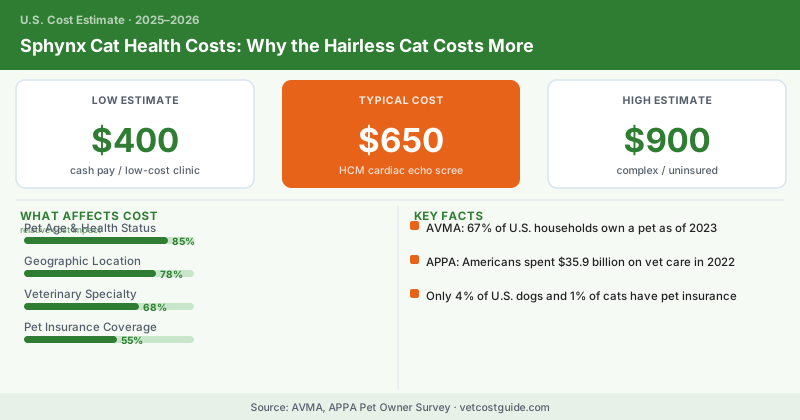
No fur doesn’t mean no maintenance. It’s the opposite. A Sphynx is one of the most hands-on, expensive-to-keep cats you can own, and the bills go way beyond the wrinkly, otherworldly look that drew you in. Skin care, heart disease, and a body that can’t regulate temperature all add up.
Sphynx cats came from a natural genetic mutation and were developed into a recognized breed over the last few decades. They’re affectionate, clownish, and intensely people-focused. They also run hot, burn calories fast, and have a heart problem the breed is well known for.
The big-ticket health risks
Hypertrophic cardiomyopathy tops the list — HCM appears at a notably high rate in Sphynx and is one of the most-studied concerns in the breed. They’re also prone to a skin condition called urticaria pigmentosa, dental disease, and hereditary myopathy. And because they have no protective coat, skin infections and sunburn are constant management items.
| Condition | Low | High | Typical |
|---|---|---|---|
| HCM cardiac echo screening | $400 | $900 | $650 |
| HCM lifetime treatment | $1500 | $6000 | $3500 |
| Skin condition diagnosis & care | $300 | $1500 | $800 |
| Dental disease treatment (frequent) | $500 | $1500 | $900 |
| Hereditary myopathy management | $500 | $3000 | $1500 |
| Routine + skin upkeep (lifetime) | $4500 | $8000 | $6000 |
That heart line is the financial heavyweight. A Sphynx diagnosed with HCM faces the same long road of echo rechecks and daily meds covered across our chronic-care guides — and because Sphynx can develop it young, the bills stack up over more years.
The hidden costs of having no fur
People underestimate this part. A Sphynx’s skin produces oil that, with no coat to absorb it, builds up and clogs. That means regular baths and ear cleanings, plus a real risk of skin infections and yeast. They sunburn through windows. They get cold and need sweaters and heated beds. And their fast metabolism means they eat more than a comparable furred cat.
Dental disease also hits this breed hard, so expect cat teeth cleaning cost on a tighter schedule than most cats — often yearly.
- Sphynx lifetime vet care commonly runs $10,000–$16,000, among the highest of any breed.
- HCM is the dominant risk and can appear young — screening echos are essential.
- The lack of fur drives ongoing skin, dental, warmth, and feeding costs.
- Insure immediately and budget for higher-than-average routine care.
Making it affordable
Insurance is close to mandatory for this breed if you don’t have deep savings. HCM alone can justify years of premiums, and Sphynx are exactly the breed where claims add up. Start coverage the week your kitten comes home — before any murmur is documented. Compare options via pet insurance cost per month and weigh the case in is pet insurance worth it.
Buy only from breeders who echo-screen breeding cats for HCM annually and provide records. Sphynx from untested lines carry a high heart-disease risk, and a young cat in heart failure is one of the most expensive — and heartbreaking — emergencies in feline medicine.
The everyday budget
Beyond the dramatic stuff, daily Sphynx ownership costs more. Weekly baths, ear cleaners, sweaters, heated beds, more food, and frequent vet checks (average vet visit cost) all add up. Set against the typical annual cost of owning a cat, a Sphynx easily runs 50% higher year over year.
The recurring costs people forget to total
Run the math on the small stuff and it adds up fast. A Sphynx needs a bath roughly weekly to manage skin oil, plus ear cleaner, plus a wardrobe of sweaters and a heated bed for winter. They eat 20 to 30 percent more than a comparable furred cat because they burn calories staying warm. None of these are vet bills, but they’re real money, every month, for the life of the cat — and they push the true cost of ownership well above what the medical numbers alone suggest.
The medical timing is the tricky part. Sphynx HCM can appear young, sometimes in the first few years, which is unusual and means you can’t treat heart disease as a “deal with it later” problem. Annual screening echos from a young age aren’t overcautious for this breed — they’re standard of care, and they catch trouble while it’s still manageable.
Keep an emergency plan funded — savings or a CareCredit for vet bills line — for the day the heart needs attention. These cats give back enormous affection. Just know you’re adopting a high-maintenance, high-cost companion and plan accordingly.
Frequently Asked Questions
Annual skin care for a Sphynx typically costs $800–$1,500, including regular baths (weekly to bi-weekly at $25–$75 per bath), ear cleaning, and topical treatments for dermatitis. Many owners budget for professional grooming sessions or invest in at-home care supplies like medicated wipes and moisturizers to prevent costly skin infections.
Most pet insurance plans cover cardiac screening (echocardiograms cost $300–$500) and treatment for hypertrophic cardiomyopathy if the condition develops after enrollment, but pre-existing conditions are excluded. However, some insurers charge higher premiums for Sphynx cats due to breed-specific health risks, and you'll typically pay 10–20% out-of-pocket after deductibles.
Sphynx cats should have an initial cardiac screening (echocardiogram) before 2 years old, costing $300–$500, then annually or every other year depending on the vet's recommendation. Early detection of heart disease can prevent emergency vet visits that cost $2,000–$5,000, making preventive screening one of the most cost-effective investments for this breed.