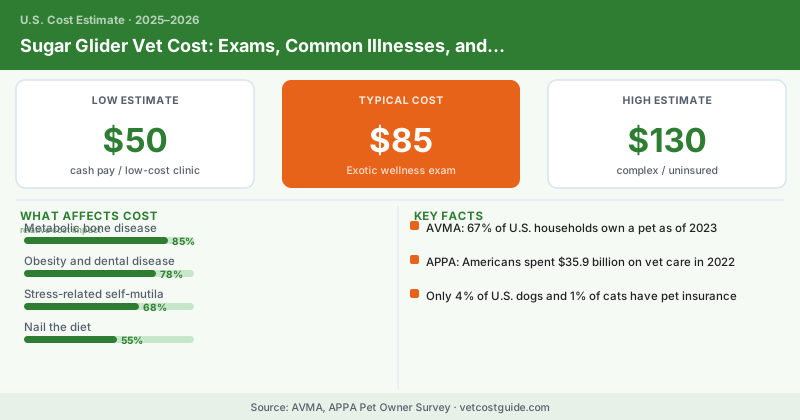
Sugar gliders look like the easiest pets in the world, tiny, cute, and palm-sized. Then one gets sick, and you discover that finding a vet who’ll even see it is the first challenge, and the bill is the second. A sugar glider exam runs $50 to $130, and common illnesses cost $150 to $700.
These little marsupials aren’t rodents, they’re exotic animals with specialized needs, and most of their health problems trace straight back to diet and housing. That’s good news for your wallet, because it means most vet bills are preventable.
What You’ll Pay
There are no routine vaccines for sugar gliders, so wellness visits are mostly exams, parasite checks, and sometimes a nail trim. The costs spike when illness, usually husbandry-related, sets in.
| Item | Low | High | Typical |
|---|---|---|---|
| Exotic wellness exam | $50 | $130 | $85 |
| Fecal/parasite test | $25 | $70 | $45 |
| Bloodwork (if needed) | $90 | $220 | $150 |
| X-ray | $120 | $350 | $220 |
| Sick visit (minor) | $100 | $300 | $180 |
| Emergency visit | $150 | $500 | $300 |
| Hospitalization (per day) | $70 | $280 | $150 |
A wellness check usually lands at $60 to $150. The bigger bills come from the predictable problems these animals develop.
The Diet-Driven Illnesses
Metabolic bone disease is the big one, a calcium-deficient diet (too many treats, not enough balanced nutrition) weakens the bones and causes weakness, fractures, even paralysis. Treatment runs $200 to $700. Obesity and dental disease from poor diet are common too. Stress-related self-mutilation can happen in lonely, under-stimulated gliders (they’re highly social and shouldn’t be kept alone), and treating the wounds plus addressing the cause costs $150 to $500.
- Sugar glider exam: $50–$130; illness treatment: $150–$700.
- Most health problems come from poor diet or improper housing.
- Metabolic bone disease is the most common and costly preventable illness.
- These are exotic animals, find a glider-experienced vet before you need one.
Why Care Is Pricey and Vets Are Scarce
Sugar gliders are unusual pets, and the AVMA classifies exotic companion practice as a small niche, so very few vets have real experience with marsupials. You may have to call several clinics or drive a fair distance to find one that’ll treat a glider at all. Limited supply of expertise is exactly why exotic care tends to cost more than dog or cat care.
A sugar glider that’s dragging its back legs, weak, or having tremors may have advanced metabolic bone disease, an emergency. This is largely caused by an unbalanced diet and is far easier to prevent than to reverse. Get to an exotic vet right away.
How to Keep Costs Down
- Nail the diet. A properly balanced diet with the right calcium-to-phosphorus ratio prevents the single most expensive glider illness. Ask a glider-savvy vet for a current feeding plan.
- Keep them in pairs. Gliders are intensely social; loneliness drives stress behaviors that lead to vet visits.
- Do an early wellness exam. Confirming good husbandry early heads off costly disease later.
- Plan funding. Exotic pet insurance and CareCredit both help with surprises.
For broader context, compare against a standard average vet visit cost and check free vet care programs if you need help.
The Bottom Line
Sugar gliders are inexpensive to buy but follow exotic-vet pricing when they get sick, $50 to $130 for exams, $150 to $700 for common illnesses. The reassuring part is that most of those illnesses are diet and housing problems, which means they’re preventable. Get the diet right, keep your gliders in pairs, and you’ll likely keep your vet bills small.
Frequently Asked Questions
A sugar glider exam typically costs $50 to $130, depending on your location and whether you're seeing a general veterinarian or an exotic animal specialist. Specialists in exotic pets usually charge on the higher end of that range due to their specialized training and experience with these marsupials.
Most standard pet insurance plans do not cover sugar gliders because they are classified as exotic animals, and many insurers only cover dogs and cats. You will typically need specialized exotic pet insurance if available in your area, or plan to pay out-of-pocket for exams ($50–$130) and treatments ($150–$700 for common illnesses).
Proper diet and housing prevent most sugar glider health problems, which can save you $150–$700 in treatment costs for common illnesses. Schedule a wellness exam ($50–$130) with an exotic vet early to establish baseline health and get specific care recommendations tailored to your pet.