Does your tarantula need a vet? Honestly — probably not often. But when they do, the stakes are high and finding someone qualified is harder than you’d expect.
The APPA estimates around 500,000 tarantulas are kept as pets in the US. They’re low-maintenance in most ways — no vaccines, no routine veterinary care, long lifespans (female tarantulas often live 20–30 years). But tarantulas can and do get sick, and when something goes wrong during a molt or after a fall, knowing where to turn and what it costs matters.
What Tarantulas Don’t Need (Most Things)
Let’s start here, because most tarantula health content over-medicalizes things.
Tarantulas don’t need:
- Annual wellness exams
- Vaccines
- Parasite prevention medications
- Routine bloodwork
The vast majority of tarantula “health problems” are actually husbandry problems — wrong temperature, wrong humidity, wrong substrate depth, inadequate water access. Solve the husbandry issue and the spider recovers.
A tarantula that’s been refusing food for weeks? Probably pre-molt. A tarantula sitting with its abdomen pressed to the ground? Possibly dehydrated — offer water. Abdomen looking shriveled? Definitely dehydrated. These are husbandry fixes, not veterinary emergencies.
When a Vet Actually Helps
Dysecdysis (Stuck Molt)
Molting is when a tarantula sheds its old exoskeleton to grow. It’s one of the most vulnerable moments in a tarantula’s life — they flip onto their back, pump hemolymph into their body to expand the new exoskeleton, and push out of the old one. The whole process can take minutes to hours.
A stuck molt happens when the old exoskeleton won’t release — typically because humidity was too low, the enclosure was disturbed, or the tarantula was in poor health going into the molt. Studies on captive invertebrate mortality suggest that molting complications are a leading cause of tarantula deaths in captivity, particularly among newer keepers who don’t maintain adequate substrate moisture.
If your tarantula has been stuck for over 24 hours with visible distress (legs caught in old exoskeleton, unusual positioning), an exotic vet can assist. This is high-risk regardless — a botched assisted molt often means death — but experienced hands are better than panicked inexperience.
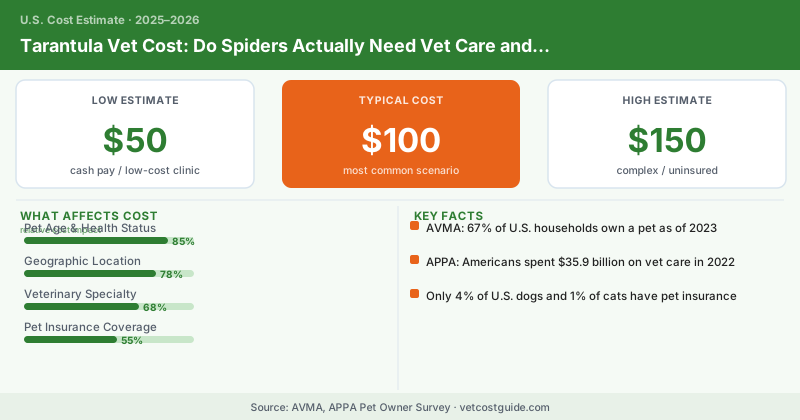
Cost: $50–$150 exam; assisted molt procedure if attempted, same fee range. Some vets will decline, honestly acknowledging the risk.
Fall Injuries
Tarantulas should never be housed high off the ground. Despite their intimidating appearance, they’re fragile — a fall from even 18 inches can rupture the abdomen. Arboreal species climbed to the top of tall enclosures and falling is a documented cause of fatalities.
Signs of a serious fall: abdomen appears deflated or leaking, unusual posture, inability to right itself.
Veterinary intervention for fall injuries is mostly supportive — clear nail polish applied to a small abdominal rupture is a legitimate emergency technique known in the community, but a vet can do it with more precision and assess for internal damage.
Cost: $50–$150 exam + any supportive care.
If you see your tarantula on its back, don’t immediately assume it’s dying. Tarantulas always molt on their backs — this is completely normal. Do not flip it over. Do not disturb it. Remove any live feeder insects from the enclosure immediately (they can injure a molting spider). Check after 24 hours. If it’s been on its back for over 48 hours with no progress and is not actively molting, then consider calling an exotic vet.
Nematode Infestation
A less common but serious problem, primarily in wild-caught specimens. Nematodes are internal parasites that cause progressive weakness, lethargy, and ultimately death if untreated. Visible symptoms include unusual discharge or abnormal posture.
Diagnosis requires examination by a vet comfortable with invertebrate parasitology. Treatment options are limited.
Cost: Exam $50–$150; diagnostics and treatment if available, $75–$200.
Mite Infestations
Most mites found in tarantula enclosures are harmless soil mites feeding on organic debris. When mites accumulate around the spider’s mouth, joints, or eyes, they become a problem.
Treatment: Clean the enclosure thoroughly, replace substrate, and isolate the tarantula. A damp paintbrush can remove visible mites from the spider’s body. Severe infestations — particularly those affecting feeding ability — may warrant a vet consultation.
Cost: Usually a husbandry fix (free). Vet consultation if needed: $50–$100.
Finding a Vet Who Treats Tarantulas
This is genuinely the hardest part. Most exotic vets who see reptiles and birds haven’t trained in arachnid medicine. When calling to inquire, be specific: “I have a tarantula with a molting problem. Do you have experience treating arachnids?”
Where to look:
- Association of Reptilian and Amphibian Veterinarians (ARAV) directory
- American Board of Veterinary Practitioners (ABVP) — reptile and amphibian specialists often have broader invertebrate exposure
- University vet schools — zoological medicine departments sometimes handle invertebrates
- Invertebrate enthusiast forums (Arachnoboards) — community members often maintain regional lists of tarantula-friendly vets
If you can’t find a vet who treats tarantulas in your area, telehealth exotic consultations ($40–$80) with vets experienced in invertebrates can at least provide guidance on whether home management is appropriate or if in-person care is genuinely needed. For many situations, a knowledgeable telehealth vet can help you assess severity without you driving hours to an exotic clinic.
What It Costs to Own a Tarantula
Annual veterinary costs for most tarantula owners: essentially zero. The realistic annual cost breakdown:
| Expense | Annual Cost | Notes |
|---|---|---|
| Enclosure maintenance | $10–$30 | Substrate replacement, cleaning |
| Food (crickets, roaches, mealworms) | $30–$80 | Monthly feeder insect orders |
| Occasional vet consultation | $0–$150 | Most years nothing; budget for emergencies |
| Emergency vet fund | $100–$200 (reserve) | One-time setup; replenish after use |
Tarantulas are genuinely low-cost pets compared to dogs, cats, or even most reptiles. The vet cost component is almost negligible in normal years. But having a contact — an exotic vet or telehealth service you’ve pre-identified — means you’re not scrambling when your tarantula is flipped and stuck with three legs still in its old exoskeleton at 11pm.
Know who to call before you need them. That preparation costs nothing and might save everything.
Frequently Asked Questions
Rarely, but yes — in specific situations. A tarantula stuck in molt (dysecdysis), severe dehydration, a significant fall injury, or signs of nematode infestation may require professional intervention. Most day-to-day problems are husbandry issues that owners can resolve at home with proper information.
An exotic vet exam for a tarantula typically costs $50–$150. Because few vets have training in arachnids specifically, finding one who will actually see your tarantula is often harder than finding one who's affordable.
First, never disturb a molting tarantula unless it has been stuck for more than 24–48 hours and is showing visible distress. If it's genuinely stuck, very light moisture applied with a paintbrush to the stuck area can help. Assisted molts are high-risk — if you're unsure, call an exotic vet with arachnid experience before intervening.
The American Pet Products Association estimates approximately 500,000 tarantulas are kept as pets in the US. They're among the most common exotic invertebrate pets, with popular species including the Chilean Rose Hair, Brachypelma hamorii, and beginner-friendly Brachypelma auratum.