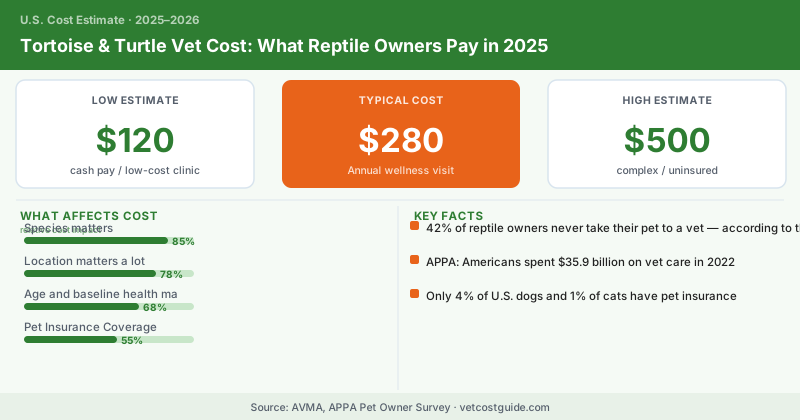
42% of reptile owners never take their pet to a vet — according to the 2023–2024 APPA National Pet Owners Survey, reptiles are the most underserved pet category for veterinary care. For tortoises and turtles, that’s a problem. These animals are masters at hiding illness, and by the time symptoms are obvious, you’re often looking at an advanced infection, metabolic bone disease, or respiratory crisis that costs several times what annual exams would have.
Here’s what vet care for tortoises and turtles actually costs, and where the big bills come from.
Routine Exam and Wellness Costs
Exotic animal vets — the only type qualified to see chelonians — charge more per visit than a standard small-animal clinic. Finding an ARAV-member (Association of Reptile and Amphibian Veterinarians) vet is essential.
| Service | Low | Typical | High |
|---|---|---|---|
| Wellness exam (exotic vet) | $75 | $130 | $250 |
| Fecal parasite exam | $35 | $60 | $90 |
| Blood panel (comprehensive) | $100 | $200 | $350 |
| Radiograph (X-ray, shell + body) | $80 | $160 | $300 |
| Ultrasound (abdominal) | $150 | $250 | $450 |
| Annual wellness visit total | $120 | $280 | $500 |
Common Illness and Treatment Costs
| Condition | Low | Typical | High |
|---|---|---|---|
| Respiratory infection (antibiotics + exam) | $100 | $220 | $450 |
| Shell rot treatment (debridement + meds) | $150 | $350 | $800 |
| Shell crack repair | $200 | $500 | $1,200 |
| Metabolic bone disease treatment | $150 | $400 | $900 |
| Egg binding (dystocia) surgery | $500 | $1,000 | $2,500 |
| Abscess removal | $200 | $450 | $1,000 |
| Eye infection treatment | $80 | $180 | $350 |
| Parasite treatment | $80 | $160 | $300 |
The Shell: Your Biggest Repair Bill
A cracked or severely damaged shell is the most expensive thing that can happen to a tortoise. Shells are living bone — they contain nerves and blood vessels — so even a hairline crack needs veterinary attention. Minor cracks are cleaned, disinfected, and sealed with fiberglass or dental acrylic for $200–$500. Serious trauma (dog attacks are the most common cause in free-roaming tortoises) requires surgery, extended antibiotic therapy, and wound management that can run $800–$2,500 over 3–6 months of healing.
Never apply epoxy, super glue, or hardware store resin to a cracked tortoise shell. These materials trap bacteria, block healing, and can leach toxins through shell tissue. Only veterinary-grade materials should contact the shell wound.
Metabolic Bone Disease: The Preventable Cost
MBD is one of the most common tortoise health problems in captivity — and nearly 100% preventable with proper UV-B lighting and calcium supplementation. When it’s not prevented, the skeleton softens, the beak deforms, and fractures occur spontaneously. Treatment involves calcium injections, corrected husbandry, and sometimes months of supportive care.
A full MBD treatment course runs $150–$900 depending on severity. Compare that to a $30–$80 UV-B bulb replaced annually. The math isn’t complicated.
Egg Binding (Dystocia): Females Only, But High Risk
Female tortoises — even those never exposed to a male — will often produce unfertilized eggs. If those eggs don’t pass, the animal develops dystocia (egg binding). It’s life-threatening without treatment. Medical management (oxytocin injections, calcium supplementation) costs $200–$500 and works in mild cases. Surgical intervention runs $500–$2,500 and is required when eggs are calcified or the tortoise is too weak to lay.
If you own a female tortoise, budget for this. Ask your vet about preventive nesting substrate so she can lay naturally.
Don’t wait until your tortoise is sick. The ARAV Vet Finder at arav.org lets you locate exotic-certified vets by zip code. Exotic vet appointments often have 1–3 week wait times for non-emergencies. Establish care, get a baseline exam, and know exactly who to call when something goes wrong at 10 p.m.
What Drives Tortoise Vet Bills Higher
Species matters. Sulcata (African spurred) tortoises grow to 100+ lbs and require larger anesthetic doses, bigger imaging equipment, and more materials for any procedure. A Russian tortoise procedure costs half what the same procedure costs on a 60-lb Sulcata.
Location matters a lot. In cities with few exotic vets, you pay a premium. Rural owners may face 2–3 hour drives to reach a qualified clinician, adding travel stress and time cost on top of the bill.
Age and baseline health matter. Senior tortoises (over 20 years) need pre-anesthetic bloodwork before any procedure, adding $100–$200 to every surgical quote.
Budget $150–$300 per year for a wellness exam and basic diagnostics. Set aside an emergency fund of $500–$1,000. Tortoises can live 50–100 years — the lifetime vet investment is real, but so is the lifetime companionship.
Frequently Asked Questions
A standard wellness exam for a tortoise or turtle typically costs $75–$250, depending on your location and the vet's experience with reptiles. This baseline exam is far cheaper than treating advanced infections or metabolic bone disease, which can cost $1,000 or more.
Most standard pet insurance plans do not cover reptiles, including tortoises and turtles, leaving owners responsible for 100% of vet costs out-of-pocket. A few specialty exotic pet insurers offer limited coverage, but these are rare and typically come with high premiums and significant exclusions for pre-existing conditions.
Reptile vets recommend annual wellness exams for healthy adult tortoises and turtles, with new pets seen within the first 2 weeks of adoption for a baseline assessment. Young, sick, or elderly reptiles may need exams every 6 months, which costs $150–$500 annually but prevents costly emergency treatments.