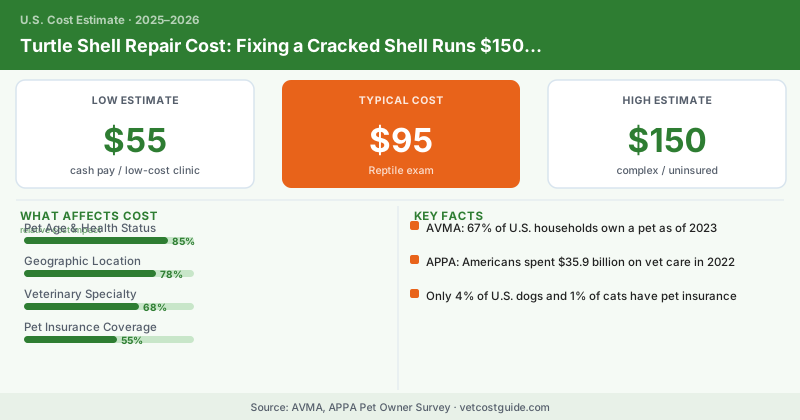
The shell isn’t armor that’s separate from the turtle, it’s living bone, fused to the spine and ribs, full of nerves and blood vessels. That single fact explains why a cracked shell hurts, why it can get dangerously infected, and why repairing one costs $150 to $1,500.
Shell damage usually comes from a lawnmower, a dog, a fall, or a car. Sometimes it’s not trauma at all but shell rot, a bacterial or fungal infection that eats into the shell. Either way, it’s a real injury that needs a vet, not super glue and a YouTube video.
What Shell Repair Costs
The price hinges on how bad the damage is and whether infection has set in. A minor crack might just need cleaning and a bonded patch. A shattered shell with exposed organs is reconstructive surgery.
| Item | Low | High | Typical |
|---|---|---|---|
| Reptile exam | $55 | $150 | $95 |
| X-rays | $120 | $400 | $240 |
| Wound cleaning + debridement | $80 | $300 | $160 |
| Shell patch/bonding repair | $150 | $600 | $350 |
| Surgical reconstruction | $400 | $1,200 | $700 |
| Antibiotics + wound care | $50 | $250 | $120 |
| Recheck visits (multiple) | $100 | $400 | $200 |
A minor crack handled cleanly might total $150 to $400. A severe fracture or advanced shell rot needing surgery and weeks of follow-up commonly runs $800 to $1,500.
Why It Takes Months, Not Minutes
Here’s what surprises owners most: shell healing is slow. Bone has to regrow, and that can take months to years for a serious fracture. During that time the turtle needs repeated bandage changes, antibiotics, and rechecks, which is why follow-up care, not the initial repair, often becomes the biggest part of the bill.
Reptile-experienced vets are also genuinely scarce. The Association of Reptilian and Amphibian Veterinarians (ARAV) represents a relatively small group of practitioners across the country, so finding someone who can properly repair a shell may mean a real drive, and specialist pricing.
- Turtle shell repair typically costs $150–$1,500.
- The shell is living bone, cracks are painful and can become infected.
- Healing is slow; follow-up care often costs more than the initial repair.
- Never use household glue, it traps infection and harms the turtle.
The Infection Risk Drives Urgency
A cracked shell is an open wound straight into the body. Bacteria love it. Left untreated, even a small crack can progress to a life-threatening systemic infection. That’s why this is a same-day vet trip, not a wait-and-see, and why early treatment is dramatically cheaper than treating an infection that’s already spread.
Never apply super glue, epoxy, resin, or nail products to a turtle shell yourself. These trap bacteria against living bone and can cause a fatal infection. A vet must clean and assess the wound first, always.
Keeping the Cost Down
- Get to a vet fast. Early treatment of a clean crack is far cheaper than treating a deep infection later.
- Prevent the injury. Keep turtles away from lawnmowers, supervise around dogs, and secure enclosures, most shell trauma is preventable.
- Treat shell rot early. Catching a soft or discolored spot before it spreads keeps it a cheap fix.
- Plan funding. Exotic pet insurance and CareCredit help with the surgical end.
For routine context, see our reptile vet care cost guide and check free vet care programs if cost is a barrier.
The Bottom Line
A cracked turtle shell is a true injury to living bone, and repairing it costs $150 to $1,500, with the long, slow follow-up care often outweighing the initial fix. The biggest money-savers are speed and prevention: get to a reptile vet immediately, never reach for glue, and keep your turtle out of harm’s way in the first place.
Frequently Asked Questions
Turtle shell repair typically costs between $150 and $1,500, depending on the severity and type of damage. Minor fractures or shell rot treatments may fall on the lower end around $150–$400, while complex surgical repairs with bone grafting or extensive patching can reach $1,000–$1,500.
Most standard pet insurance plans exclude or severely limit coverage for reptile care, including shell repair, since they focus on dogs and cats. You should expect to pay out-of-pocket for the full cost and verify with your specific insurer, as a few specialty exotic pet policies may offer partial coverage of 50–70% after deductibles.
Initial shell repair takes 1–2 hours depending on complexity, but full healing typically takes 4–12 weeks as the bone and tissue regenerate. Your vet will likely schedule follow-up exams every 2–4 weeks to monitor progress and watch for infection, especially if the repair involved surgical patching or bone bonding materials.